


Why Professional Cleaning Is Better Than DIY

Table of Contents
Last Updated: October 17, 2026
Professional Cleaning vs. DIY: The Real Trade-Off
Professional cleaning is a paid service where trained cleaners use commercial-grade equipment and supplies to clean a home, while DIY cleaning means handling that work yourself with consumer tools.
Here is the part most guides get wrong: the debate is not about whether you can clean your own house. Of course you can. The real question is whether you should spend your Saturday doing it, and whether your results will hold up over time.
Professional Cleaning Cost vs. DIY: A Like-for-Like Breakdown
Professional cleaning cost vs. DIY is closer than the sticker price suggests. DIY looks cheaper because the expenses are spread across small purchases you barely notice, while a cleaning service arrives as one visible invoice. The honest way to compare them is to total everything a DIY job actually consumes: rental fees, products, equipment wear, your hours, repeat attempts, and the occasional repair when a method goes wrong.
Where DIY Costs Hide
Rental equipment and attachment fees. Carpet extractors and steam cleaners rent by the day, and the attachments, hoses, and cleaning solution are often priced separately from the machine itself.
Products bought, half-used, and replaced. Specialty cleaners for pet stains, stone, hardwood, and upholstery rarely get used up, so the shelf fills with partial bottles that get repurchased next season.
Consumables and wear. Vacuum bags, filters, belts, mop heads, and microfiber pads all have replacement intervals, and heavy DIY use shortens them.
Your time. Even if no one bills you, the hours have a real opportunity cost, the same hours you could spend working, resting, or with family.
Repeat cleaning. When the first attempt misses, the job gets done twice, which doubles product use and time.
What You Actually Pay a Pro For
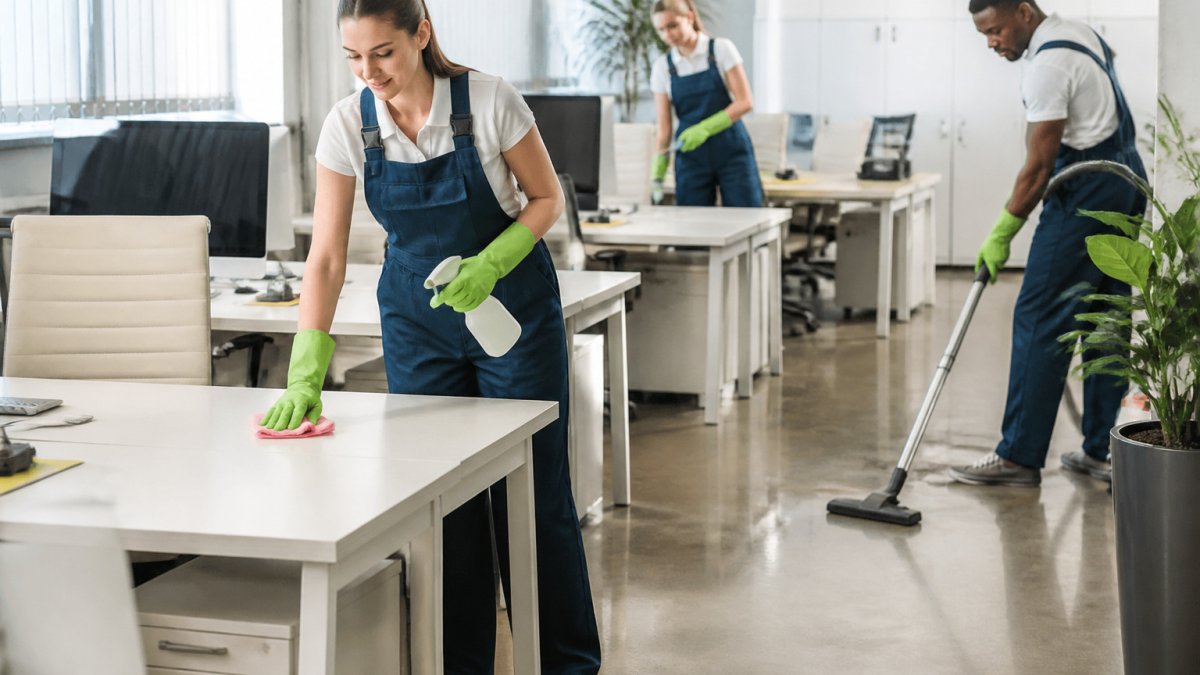
You pay for equipment you do not have to store, supplies you do not have to buy, and a crew that finishes in a fraction of the time. You also pay for consistency: the same standard on every visit, not just the visits when you have energy. The invoice bundles labor, commercial equipment, supplies, insurance, and the training that keeps methods surface-appropriate.
A Transparent Total-Cost Comparison
Instead of comparing one rental fee to one invoice, build a total for the same job on both sides. Use this framework:
Cost line | DIY | Professional |
Equipment | Rental fee plus attachments and solution | Included in the quote |
Products | Purchase price per job, plus unused leftovers | Included |
Consumables and wear | Bags, filters, belts, pads | Covered by the provider |
Labor | Your hours at your own opportunity cost | Priced into the invoice |
Repeat treatments | Second attempt when the first misses | Revisit policy stated in writing |
Repair risk | Wrong method or over-wetting | Provider carries insurance and training |
Storage | Machine and supplies occupy space year-round | None |
Two mechanisms make the gap wider than it looks. First, DIY costs recur every time you clean, while a professional quote is per visit and often lower per square foot on recurring plans because setup and travel are shared across a route. Second, DIY failures compound: a sticky residue from over-wetting attracts new soil, so the next cleaning starts from a worse baseline.
Pro Tip Price the same room both ways before deciding. Add the rental fee, the solution, the consumables, and a realistic hourly value for your time, then compare that total to a written professional estimate for the same scope. Most people find the gap is smaller than the sticker price implied, and sometimes it reverses.
We put the scope and the total in writing before anyone arrives.
How Long Does It Take to Clean a House? Time and Effort Compared
How long does it take to clean a house? For an average home, a thorough DIY clean runs several hours, and deep cleaning takes longer still.
That gap matters more than people admit. A common mistake is budgeting for the cleaning itself but not for the recovery time afterward.
Professionals also carry suction power and hot water extraction equipment that consumer vacuums cannot match.
Pro Tip If you want to test whether DIY is realistic for your home, time yourself on one room. Multiply that by your room count, then add setup, supply runs, and cleanup. Most people are surprised by the total.
Benefits of Hiring a House Cleaner: Depth, Consistency, and Health
The benefits of hiring a house cleaner come down to three things: deeper cleaning, a consistent standard, and healthier indoor air. Professionals reach the spots routine cleaning skips, and they do it on a schedule you can rely on.

Deeper Cleaning With Better Equipment
Truck-mounted systems and commercial extractors remove deep-seated soil that household machines leave behind. That is why professional carpet cleaning results tend to last longer than a weekend rental job. The equipment does the heavy lifting, not just the elbow grease.
Indoor Air Quality and Allergen Reduction
Embedded dust and allergens in carpet and upholstery affect indoor air quality. Removing them properly, without over-wetting that leaves residue and moisture behind, supports healthier air for families and pets. Our team uses primarily all-natural supplies, which matters in homes with toddlers and animals underfoot.
What to Expect From a Professional House Cleaning
What to expect from a professional house cleaning is a clear scope, a walkthrough, and a repeatable process. A good provider tells you exactly what is included before anyone arrives.
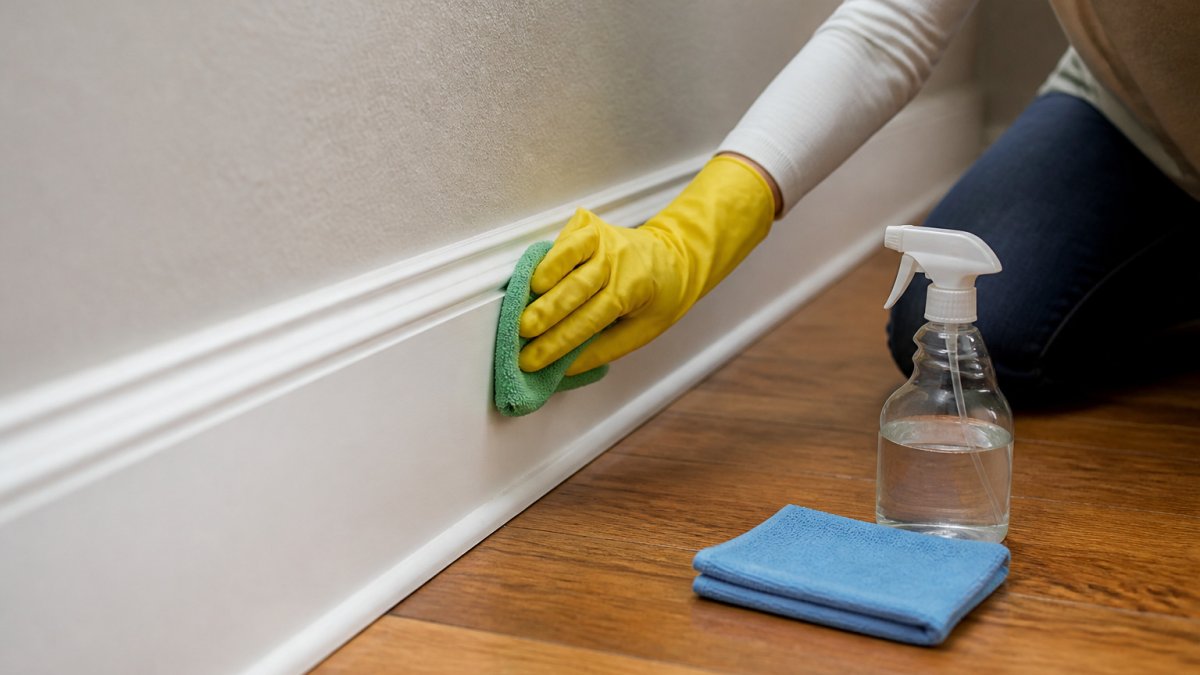
A typical visit covers floors, surfaces, bathrooms, kitchens, and the details that get skipped: baseboards, edges, and fixtures. Ask about inside the fridge or oven ahead of time, since those are often add-ons. Before you hire anyone, verify three things:
Insurance and bonding are current
Background checks are standard for staff
The scope of each visit is written down
We built our booking process around a personalized walkthrough, which is how we give same-day estimates without guessing.
Choosing Safer Products and Protecting Your Surfaces
Safer products protect both your family and your surfaces. Harsh chemicals can dull finishes and leave residue, while over-wetting carpet encourages problems that show up later. Match the method to the surface: gentle solutions for hardwood and stone, extraction for carpet, and spot treatment for tough stains rather than aggressive scrubbing.
Watch Out Over-wetting carpet is one of the most common DIY mistakes. Trapped moisture and leftover cleaning solution can leave sticky residue that attracts new dirt, so the carpet looks worse within weeks.
If chemical sensitivity is a concern, ask for the product list before the first visit. We share ours gladly, because "all-natural" should be a specific answer, not a slogan.
When DIY Still Makes Sense: A Decision Framework
DIY still makes sense in specific situations, and pretending otherwise would be dishonest. The useful question is not "can I clean this myself" but "does this job match my time, my tools, and the surface involved." Use the framework below to decide by household and situation rather than by gut feel.
Start With the Job, Not the Budget
Small apartment, one to two hours of work, no pets or allergies: DIY is reasonable, and the cost of a service may not be justified yet.
Tight budget and a flexible schedule: DIY fits, provided you are honest about the hours and the repeat attempts.
Large home, pets, allergies, or a packed calendar: professional cleaning wins on depth, consistency, and indoor-air results.
Deep cleaning before guests or a move: hire it out, because the scope is larger than routine maintenance and the deadline is fixed.
Recurring maintenance you keep postponing: a service keeps it done on a schedule you can rely on.
Match the Method to the Surface
The choice changes by surface, and this is where generic advice fails:
Carpet fibers. Hot-water extraction removes embedded soil that consumer vacuums cannot reach, but over-wetting leaves residue that attracts new dirt. If you DIY, use a machine with strong suction and dry the area quickly; if the carpet is heavily soiled or has pet accidents, professional extraction is the safer route.
Upholstery. Fabric codes and fillings vary, and the wrong cleaner can set a stain or shrink a cushion. Spot-test in an inconspicuous area, and hand off delicate or antique pieces.
Hard floors. Hardwood and stone are sensitive to pH and to standing water. Gentle, surface-appropriate solutions and minimal moisture matter more than scrubbing power.
Stain types. Water-based stains respond to different methods than oil-based or protein stains, and heat can set protein stains permanently. Identify the stain before choosing a treatment, and avoid aggressive scrubbing that damages fibers.
Factor In Health and Household Composition
Pets and young children: residue on floors and carpets matters because it ends up on hands and paws. Ask for the product list and prefer providers who can explain what they use and why.
Allergies and sensitivities: proper extraction and drying reduce embedded allergens and moisture, but no cleaning method should be treated as a medical treatment. If someone in the home has a diagnosed condition, follow medical advice first.
Ventilation: whether you DIY or hire, airflow during and after cleaning helps surfaces dry and reduces lingering product odor.
A Short Decision Tree
Is the job routine maintenance on a small home with no pets or allergies? DIY is reasonable.
Is the job deep cleaning, post-move, or tied to a deadline? Hire it out.
Is there a pet accident, a set stain, or a delicate surface? Hire it out or spot-test carefully first.
Is the recurring maintenance you keep postponing? A service keeps it done.
Is the budget genuinely tight and the schedule flexible? DIY fits, if you count your hours honestly.
The pattern is simple. DIY works when the job is small, the surface is forgiving, and your time is cheap. Professional cleaning wins when the job is large, the standard is high, the surface is sensitive, or your time is already spoken for.
Key Takeaway The decision is not about pride or budget alone. It is about matching the method to the surface, the scope to your schedule, and the product to the people and pets in the home.
Conclusion
The hardest part of this decision is admitting that "cheaper" and "less expensive" are not the same thing. DIY saves money on paper and costs you weekends, equipment, and repeat attempts.
Janicemariecleaningservices brings over two decades of experience, primarily all-natural supplies, a personalized booking process, and same-day estimates. Call or email for a free estimate at 1-612-203-1686 and get a cleaning plan built around your home, your pets, and your schedule.
Frequently Asked Questions
Are home cleaning services worth it?
For most busy households, yes. Professional cleaning reaches embedded dirt, carpet fibers, and buildup that routine DIY wiping misses, and it saves several hours per visit. The value depends on your situation: a small apartment cleaned in an hour or two may not justify the spend, while a larger home with pets, kids, or allergy concerns usually does. Compare the full professional cleaning cost against the rental fees, supplies, and hours you would spend doing it yourself before deciding.
Is professional cleaning more effective than DIY cleaning?
In most cases it is deeper. Professionals use truck-mounted hot water extraction, higher suction power, and surface-specific cleaning solutions that consumer equipment cannot match. That means better stain and odor removal, especially for pet stains and deep-seated soil in carpet. DIY cleaning handles surface dust and routine tidying well, but embedded dirt and tough stains often need professional equipment to come out fully without over-wetting or damaging carpet fibers.
How much time can professional house cleaning save?
A whole-house clean typically takes a DIY cleaner several hours, often spread across a weekend, while a crew finishes in a fraction of that time because they work in parallel with commercial equipment. The exact savings depend on square footage, clutter, and how often you clean. Beyond the visit itself, hiring out removes the planning, supply runs, and drying-time waiting that eat into your week.
When should you hire a professional cleaner instead of cleaning yourself?
Hire out when routine cleaning has fallen behind, when you have pets or allergy sufferers in the home, or when a move-in, move-out, or seasonal deep clean is due. It also makes sense if your schedule leaves no reliable block of time for cleaning. If your home is small and you genuinely enjoy the work, DIY can still work well. A same-day estimate from a local service makes the comparison easy before you commit.
Comments