


Why Deep Cleaning Is Essential for Rental Turnover

Table of Contents
Last Updated: October 21, 2026
Why Deep Cleaning Matters for Rental Turnover
Why deep cleaning is essential for rental turnover goes far beyond surface tidiness.
Deep cleaning reaches baseboards, inside appliances, behind furniture, and into corners where dust and allergens accumulate, directly impacting your ability to lease quickly and at competitive rates.
A vacant unit generates zero income, and every empty day costs money. A properly deep-cleaned space moves faster and commands better rent because tenants see a well-maintained property from day one.
First Impressions and Tenant Attraction
First impressions determine whether a prospect becomes a tenant or walks away. A spotless, fresh-smelling space signals a landlord who cares; a grimy kitchen or stained carpet signals neglect.
Tenants compare options. Professional deep cleaning levels the playing field and often justifies premium pricing.
Consider what matters most to renters:
Clean kitchen with gleaming appliances
Spotless bathrooms with no mold or mildew
Fresh-smelling carpets and flooring
Windows that let in clear light
No visible dust or debris
Deep cleaning delivers all of these, transforming a tired unit into one that feels new, a shift worth thousands in faster leasing and higher retention.
Protecting Property Value and Preventing Long-Term Damage
Neglecting deep cleaning between tenants creates compounding damage: dirt stains, moisture breeds mold, and grime etches surfaces permanently.
Hard-to-reach areas suffer most.
Deep cleaning stops wear and tear from becoming structural damage, protecting your long-term investment.
Think of it as preventive maintenance. A deep clean between tenants pays for itself through reduced repair costs, faster lease-up times, higher tenant satisfaction, and longer asset lifespan.
Rental Turnover Cleaning Checklist: What to Deep Clean
Most turnover checklists are just lists of rooms, which is not enough when you have a move-in date. What follows is a sequenced procedure: work top to bottom, dry to wet, and back of the unit to the front so you never re-soil a finished surface.

Sequence Overview
Dry phase (top to bottom): ceilings, corners, vents, light fixtures, cabinet interiors, closet shelves, window blinds and tracks. Use a HEPA vacuum with a brush attachment and microfiber cloths. Completion test: no visible dust on a white cloth wiped across the surface.
Wet phase (back to front): kitchen and bathroom surfaces, appliances, fixtures, then floors last. Completion test: no streaks, film, or standing moisture.
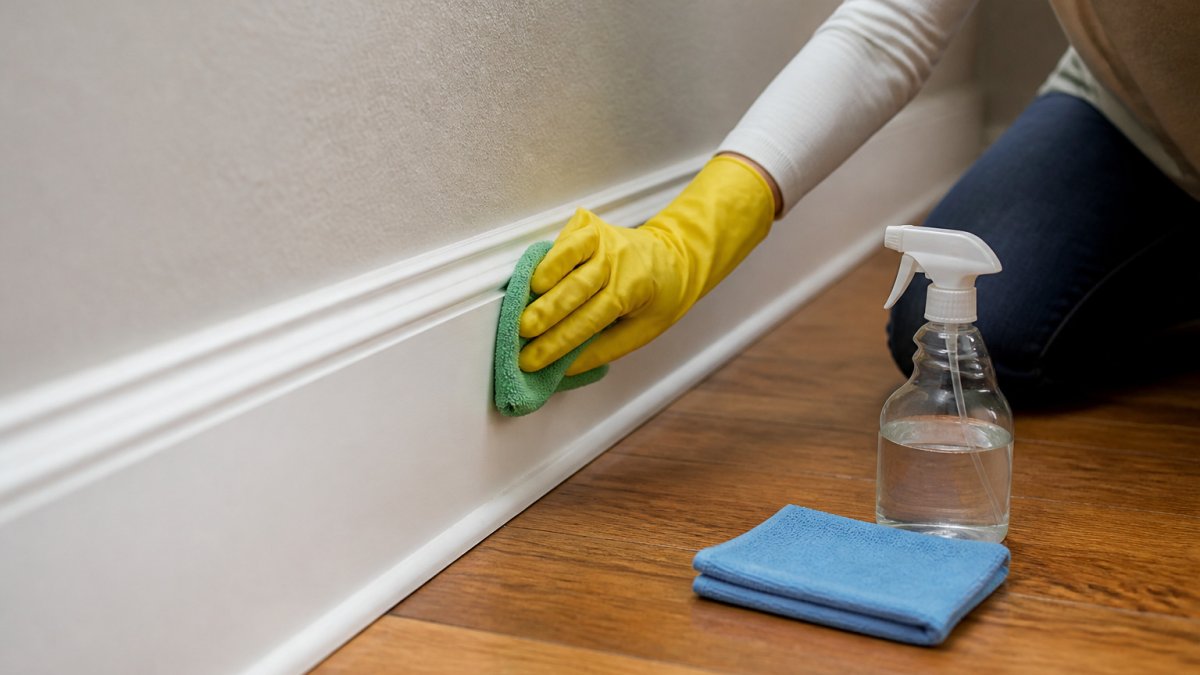
Detail phase: switch plates, door handles, baseboards, appliance exteriors, and any surface a hand touches. Completion test: a clean gloved hand dragged across the surface leaves no residue.
Pro Tip Work in this order and you avoid the most common turnover mistake: mopping floors before wiping walls and cabinets, which leaves a film of dust and cleaner on the fresh floor.
Kitchen and Appliances
The kitchen takes longest, often 2 to 3 hours in a standard apartment. Start with appliances, which hold the most hidden soil.
Refrigerator: Empty and discard contents. Remove shelves and drawers and wash them in the sink with dish soap and warm water. Wipe the interior with a mild all-purpose cleaner, then dry. Pull the unit out and vacuum the coils and floor behind it. Completion test: no odor when the door is opened after 10 minutes closed.
Oven: Remove racks and soak them in hot water with a degreaser for 15 to 20 minutes. Apply oven cleaner to interior walls, let it dwell per the label (typically 15 to 30 minutes), then wipe. Do not use caustic cleaner on self-cleaning oven elements. Completion test: no carbon flakes or grease film on a white cloth wiped across the door glass.
Microwave: Steam a bowl of water for 3 minutes to loosen food soil, then wipe interior and exterior. Clean the turntable and track. Completion test: no visible splatter on the ceiling or walls.
Dishwasher: Run an empty cycle with a dishwasher cleaner. Wipe the door gasket and filter. Completion test: no film or odor inside.
Stovetop: Remove grates and burner caps, degrease, and scrub. For glass tops, use a ceramic cleaner and a razor scraper at a low angle. Completion test: no baked-on rings.
Then move to cabinets and counters. Wipe cabinet interiors with a damp cloth and dry immediately to prevent swelling. Scrub countertops, especially seams and the backsplash grout line. Completion test: no sticky residue on a paper towel.
Bathrooms and Fixtures
Bathrooms are where tenants look for mold and where moisture damage starts. Budget 45 to 90 minutes per bathroom.
Toilet: Apply a bowl cleaner, let it dwell 10 minutes, scrub the bowl and under the rim, then flush. Wipe the exterior, base, tank, and lid with a disinfectant. Completion test: no ring or odor.
Shower and tub: Apply a soap-scum remover, let it dwell 5 to 10 minutes, scrub grout with a grout brush, and rinse. Address mold with a mildew remover and ventilate. Completion test: no pink or black discoloration in grout lines.
Sink and vanity: Scrub the basin, clean under the rim, polish the faucet, and wipe cabinet interiors. Completion test: no hair or debris in the drain area.
Exhaust fan: Remove the cover, wash it, and vacuum the housing. Completion test: airflow is unobstructed and the cover is dust-free.
Watch Out Do not mix bleach and ammonia-based cleaners. The combination produces a toxic gas. Use one product per surface and rinse between products.
Flooring, Carpets, and Hard-to-Reach Areas
Floors come last because everything above them is already clean. Rental carpets typically need professional hot-water extraction, not just vacuuming. Spot-treat stains first and allow 6 to 12 hours of drying with fans and open windows.
For hard flooring, sweep or vacuum first, then mop with a cleaner appropriate to the surface. Avoid excessive water on laminate and wood, which can swell seams.
Hard-to-reach areas that renters notice:
Behind and under appliances
Inside closets, including shelves and rods
Ceiling corners and vent covers
Window sills, tracks, and blinds
Door frames, hinges, and top edges of doors
Completion Criteria and Sign-Off
A checklist is only useful if someone verifies it. Walk the unit with the list and a flashlight, checking each completion test. Photograph each room after cleaning and date the photos, this record resolves deposit disputes and gives the next tenant a documented baseline. If a task fails its test, it is not done.
How Long Does Rental Turnover Cleaning Take
Time estimates matter most for sequencing work against a move-in date. A typical apartment takes 6 to 10 hours of thorough deep cleaning, but the key question is which tasks must finish first.
Time Estimates by Unit Size
Studio or one-bedroom: 6 to 8 hours
Two-bedroom: 8 to 10 hours
Three-bedroom or larger: 10 to 14 hours
Heavily soiled units, pet units, or smoking units: add 4 to 6 hours
These figures assume one cleaner. Two cleaners in parallel on separate zones (kitchen and bathrooms versus floors and detail) usually finish in 60 to 70 percent of single-cleaner time, not 50 percent, because some tasks cannot be split.
Prioritize by Risk and Move-In Date
Not all tasks carry the same consequence if delayed. Sort work into three tiers:
Must finish before showings: bathrooms (mold and odor), kitchen appliances (grease and odor), carpets (stains and pet odor), and trash removal. These are the items prospective tenants judge in the first minute.
Must finish before move-in: inside cabinets and closets, window tracks, baseboards, light fixtures, and any surface a tenant will touch or store belongings on.
Can finish after move-in with notice: exterior windows, garage, storage areas, and seasonal detailing. Schedule these separately so they do not delay the lease start.
Key Takeaway If your move-in date is tight, clean the must-finish-before-showings tier first, photograph it, and list the unit. Finish the second tier before keys are handed over. Defer the third tier with a written schedule.
The Cost of Vacancy Versus the Cost of Cleaning
Vacancy is the largest cost in a turnover. An extra empty week loses a full week of rent plus utility and marketing costs. Professional deep cleaning typically costs a fraction of one week's rent and usually shortens the vacant period, paying for a thorough clean is almost always cheaper than carrying extra vacancy.
A simple framework:
Estimate daily rent (monthly rent divided by 30).
Estimate the vacancy days you expect without professional cleaning versus with it.
Multiply the difference by daily rent.
Compare that figure to the cleaning quote.
If the cleaning quote is less than the avoided vacancy cost, the decision is financial, not aesthetic.
When to Hire Out Versus DIY
DIY deep cleaning is realistic for a small, lightly soiled unit if you have 8 to 10 hours and the right equipment. Hire out when:
The unit has pets, smoke, or mold.
Carpets need hot-water extraction.
The move-in date is within 72 hours.
You manage multiple units and cannot absorb the labor.
The unit has specialty surfaces (stone, hardwood, stainless) that require surface-specific products.
Professional cleaners also bring documentation: dated before-and-after photos and a completion checklist that supports deposit decisions and protects you in disputes, often worth as much as the cleaning itself.
Move-Out Cleaning Checklist for Landlords
Before hiring cleaners, landlords should conduct a move-out inspection. This identifies damage beyond normal wear and helps cleaners prioritize work.
Walk through the unit and note:
Carpet stains or damage requiring professional treatment
Wall marks, scuffs, or damage needing touch-up
Appliance damage or malfunction
Fixture damage or missing items
Odors that may require specialized treatment
Document everything with photos to protect yourself in deposit disputes and show cleaners what they're working with.
Provide cleaners with:
List of specific problem areas
Information about flooring types and materials
Any special instructions for fixtures or appliances
Access details and timing preferences
Contact information for questions
Clear communication ensures the cleaning meets your standards and the unit is ready quickly.
Professional Deep Cleaning Services and Verification
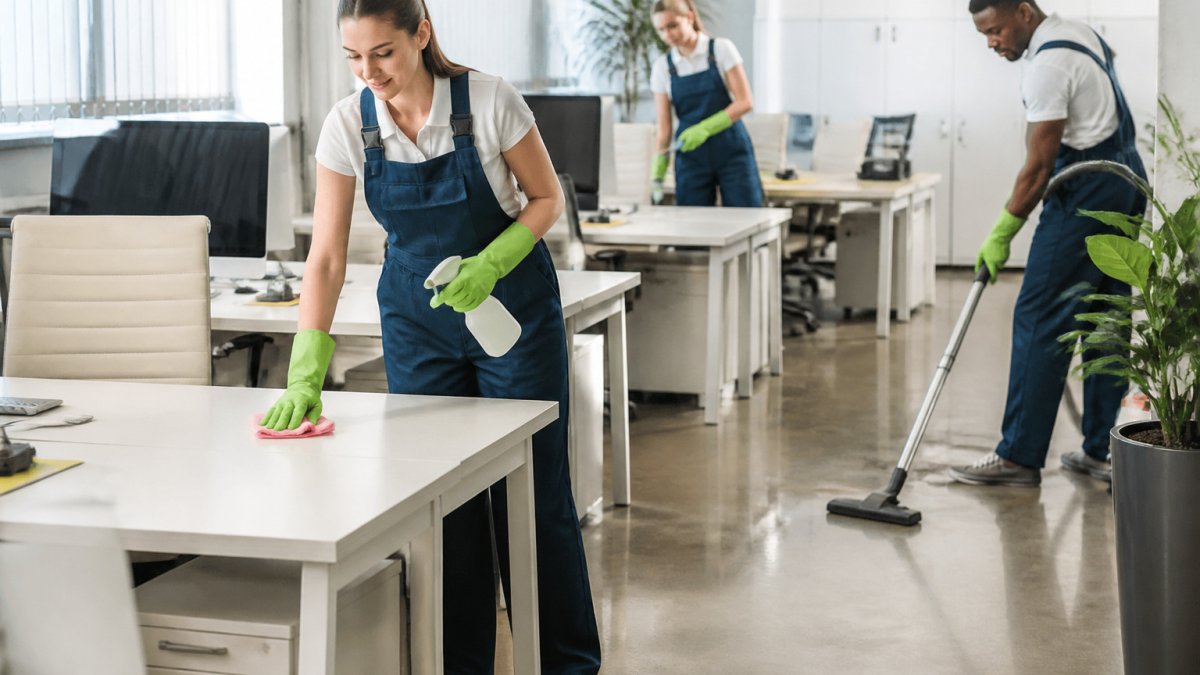
Professional cleaners bring expertise and equipment DIY cannot match: surface-specific methods, industrial-grade tools, and systematic work through the unit.
When selecting a service, verify:
Experience with rental turnover cleaning specifically
Use of safe, effective cleaning products appropriate for the property
Insurance and bonding (protects you if damage occurs)
References from other property managers
Clear pricing and timeline estimates
Janicemariecleaningservices brings over two decades of experience to rental turnover work. We understand what property managers need: reliable, detail-oriented cleaning that moves units quickly and impresses tenants.
Verification protects your investment. Ask for before-and-after photos and request a walkthrough after cleaning to confirm quality. A good service welcomes this scrutiny.
Health, Sanitation, and Move-In Readiness
Beyond appearance, deep cleaning addresses health and sanitation. Prospective tenants increasingly care about indoor air quality and allergen control.
Deep cleaning removes:
Dust and allergens that accumulate in carpets and hard-to-reach areas
Mold spores and mildew that thrive in moist environments
Bacteria and viruses on high-touch surfaces
Pet dander and odors from previous occupants
Contaminants that trigger allergies and respiratory issues
A properly deep-cleaned unit is move-in ready, free of hidden dirt and health hazards, peace of mind that increases satisfaction and retention.
Professional deep cleaning during rental turnover is foundational: it protects your property, attracts quality tenants, and keeps your unit competitive.
Rental turnover determines your property's success.
Frequently Asked Questions
Why is deep cleaning important between tenants?
Deep cleaning between tenants removes accumulated dirt, bacteria, allergens, and mold spores that routine cleaning misses. This protects tenant health, prevents long-term damage to flooring and fixtures, and ensures the rental property is truly move-in ready. A thoroughly cleaned unit also makes a strong first impression, helping attract and retain quality tenants who are more likely to take care of the property.
What should be included in a rental turnover deep clean?
A comprehensive rental turnover cleaning checklist covers kitchen appliances inside and out, bathroom fixtures and grout, all flooring including baseboards, windows, blinds, and hard-to-reach areas like ceiling fans and light fixtures. Professional deep cleaning also addresses contamination, mold prevention, and sanitation to meet lease compliance standards and ensure the unit is fully prepared for the next tenant.
How long does rental turnover cleaning take?
Rental turnover cleaning timelines depend on unit size, condition, and the scope of work. Professional cleaning services can provide accurate turnaround estimates after assessing the specific property, helping you minimize vacancy time and get the unit lease-ready faster.
What is the difference between move-out cleaning and deep cleaning?
Move-out cleaning addresses basic tenant departure tasks like removing personal items and surface cleaning. Deep cleaning goes much further, targeting dirt accumulation, sanitizing all surfaces, cleaning inside appliances, addressing mold and mildew, and ensuring preventive maintenance of fixtures. For rental turnover, deep cleaning is essential to restore the property to move-in readiness and protect long-term property value.
Comments