


How to Find Reliable House Cleaners: 9 Steps

Last Updated: October 30, 2026
Quick Summary
To find reliable house cleaners, define your needs first, including the tasks, frequency and any products to avoid. Then gather three to five candidates from referrals and listings, check reviews and references, interview each one, and confirm screening, insurance and bonding in writing.
Write down your home size, schedule and products before you start searching.
Aim for three to five candidates so you can compare them fairly.
Ask for a certificate of liability insurance before the first visit.
Confirm background check policies for everyone who will enter your home.
Normalize quotes on the same task list, frequency and conditions before comparing prices.
Table of Contents
Step 2: Find Candidates Through Referrals, Directories, and Local Listings
Step 4: Decide Between an Independent House Cleaner and a Cleaning Company
Step 5: Ask the Right Questions and Run a House Cleaner Interview
Step 6: Check Screening, Insurance, Bonding, and Access Policies
Step 7: Compare Quotes Fairly and Use a House Cleaning Service Checklist
Booking Your Free Estimate With Janicemarie Cleaning Services
Step 1: Define What You Need Before You Search
Finding reliable house cleaners starts before you type a single search. Most people hire too fast, then spend months frustrated that the cleaner missed the baseboards or skipped the fridge.
Start by writing down what you actually want cleaned. A quick list works best.
Standard upkeep, like dusting, vacuuming, and bathrooms
Kitchen deep work, like inside the oven or fridge
Extras, such as inside cabinets or interior windows
Next, decide how often you need help. Recurring visits every two weeks feel different from a one-time deep clean before a move.
Recurring service and move-in or move-out cleaning cover different tasks, so compare them carefully. If you are preparing for a move, you can see what a move-in or move-out deep clean covers. You can review exactly what a recurring house cleaning includes before you decide.
Write down these three things before you search:
Your home size and number of rooms
Your schedule and preferred days
Any products you want or want to avoid
Knowing these details makes quotes easier to compare later.
Step 2: Find Candidates Through Referrals, Directories, and Local Listings
Good reliable house cleaners often come from people you already trust. Start with friends, family, and neighbors who have hired help they liked.
Then widen the search. Online directories and local listings show many providers in one place.
Ask your neighborhood groups or community forums for recommendations
Check local business listings and review sites
Search your city plus "house cleaning service" to see local options
A common mistake is choosing the first name that appears. Aim for three to five candidates so you can compare them fairly.
Step 3: Read Reviews and Verify Experience and References
Reviews show patterns. One unhappy customer means little, but repeated complaints about missed tasks or late arrivals signal a problem.
Angela Brown Cleaning
Look for reviews that describe specific work, such as detail on baseboards, kitchens, or bathrooms. Vague praise tells you less.
Next, verify experience directly. Ask how long the business has operated and whether the people who will enter your home are employees or contractors.
Good questions to ask a reference include:
Was the cleaning consistent from visit to visit?
Did the team communicate about schedule changes?
How were any problems handled?
Step 4: Decide Between an Independent House Cleaner and a Cleaning Company
An independent house cleaner often costs less and may offer one consistent person. To see how a cleaning company compares, learn more about how Janice Marie Cleaning Services operates.
Choose based on what matters most to you.
Independent cleaner: Best if you want the same person every time and a lower rate
Cleaning company: Best if you need reliable coverage when someone is sick or on vacation
Either option: Confirm insurance, written terms, and how damage claims are handled
Ask each option how they handle absences. The answer tells you a lot about reliability.
Step 5: Ask the Right Questions and Run a House Cleaner Interview
An interview gives you a clear picture before any money changes hands.

Ask questions that reveal how the cleaner works:
What products do you use, and can I review the list before your first visit?
How do you handle a room I have not asked you to clean?
What is your process when you notice something broken or damaged?
How do you handle schedule changes or cancellations?
How many visits per month can you commit to?
Listen for specifics. Vague answers like "We do a great job" are a warning sign.
Stay focused on details that matter to your home, such as baskets, pet hair, or fingerprint-prone surfaces.
A homeowner and a professional cleaner sitting across a kitchen table with a notepad, having a friendly conversation during an in-home interview.
Step 6: Check Screening, Insurance, Bonding, and Access Policies
This is the step most hiring guides skip, and it is the one that matters most when a stranger will have a key to your home. Vague claims like "trusted" or "top-rated" are not screening. You want specific answers you can verify.
Screening and background checks
Ask each provider, in writing, whether they run background checks on every person who will enter your home, not just the owner or lead cleaner. Follow up with these specifics:
Which checks are run: identity verification, criminal background check, sex offender registry, motor vehicle record if they drive to your home
Whether checks are run at hire only or repeated on a set schedule
Whether the same checks apply to subcontractors and temporary staff
A company that runs checks will usually describe the process without hesitation. An independent cleaner may not run formal checks, which is not automatically a dealbreaker, but you should know that and adjust your own precautions.
Watch Out A "background checked" badge on a website is a marketing claim until you confirm what was checked, when, and by whom. Ask for the policy in writing.
Liability insurance and bonding
Liability insurance covers damage to your home or belongings caused by the cleaner. Bonding covers theft by an employee.
Request a certificate of insurance before the first visit.
For bonding, ask whether the bond covers each employee or only the business, what the claims process is, and whether there is a deductible.
If you hire an independent cleaner directly, confirm whether they carry their own liability coverage.
Keys, codes, and access
Decide in advance how access will work, and put it in writing:
Will you provide a key, a lockbox code, a smart lock entry, or stay home for visits?
Who holds the key or code, and how is it stored between visits?
What happens if a key is lost or a code is shared?
Valuables, pets, and privacy
Tell the provider where valuables, medications, and sensitive documents are kept, and confirm they will not be moved or accessed. If you have pets, explain how they should be handled and whether the cleaner is comfortable with them. Ask whether the provider uses photos of your home for marketing, and get a no in writing if you prefer privacy.
Get these answers in writing before the first visit:
Background check policy for every person entering your home
Current certificate of liability insurance
Bonding coverage and claims process
A reputable provider will answer these without hesitation. One who dodges them is telling you something important.
Step 7: Compare Quotes Fairly and Use a House Cleaning Service Checklist
A quote is only useful if every provider is pricing the same work. Most homeowners compare a low headline rate to a higher one and assume the lower is better, when the two may cover completely different tasks. Normalize the quotes before you compare them.
What actually drives the price
Ask each provider to quote the same home size, the same task list, and the same frequency. Then look at the factors that move the number:
Home size and layout: Square footage matters, but so do the number of bathrooms, stories, and tight spaces that slow a crew down.
Condition: A home that has not been cleaned in months takes longer than one on a regular schedule. First visits are often priced higher for that reason.
Task scope: Baseboards, inside the oven, inside the fridge, interior windows, and inside cabinets are usually add-ons, not standard.
Questions that expose an unfair comparison
Ask each provider:
Is this quote for the same task list I sent, or a standard package?
What is included at no extra charge, and what costs more?
Is the first visit priced differently from recurring visits?
Are supplies and equipment included?
Is there a minimum visit charge or trip fee?
What is the cancellation and rescheduling policy, and are there fees?
Is there a satisfaction guarantee, and what does it cover?
A low rate that excludes supplies, charges extra for inside appliances, or carries a steep cancellation fee can cost more over a year than a higher all-inclusive rate.
Payment, cancellation, and damage terms
Compare how each provider handles money and problems:
Payment methods: Confirm which payment methods each provider accepts and whether there is a processing fee.
Cancellation: Ask for the notice window and the fee if you cancel late.
Damage: Ask how to report damage, how quickly they respond, and whether repairs or reimbursement go through insurance.
A practical trial visit
Some providers offer a trial or first-time clean. Use it as a low-risk test before committing to a recurring schedule. Prepare a short room-by-room checklist in advance so you judge the same things every time:
Floors vacuumed and mopped, including corners
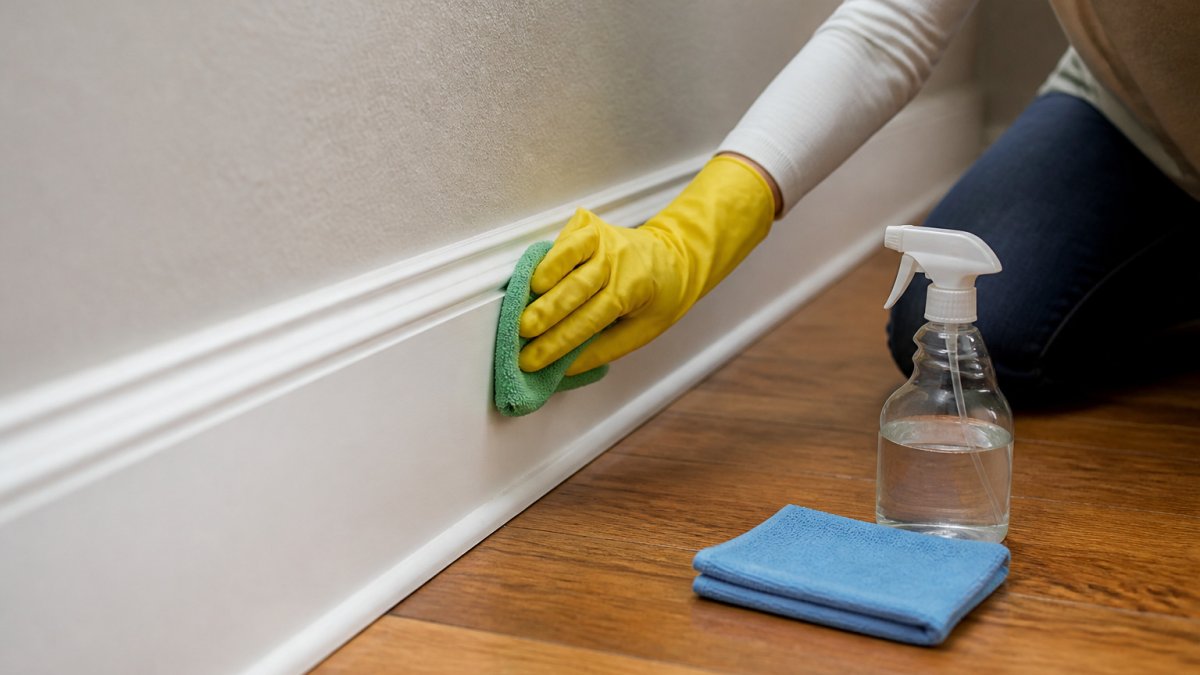
Baseboards wiped
Bathrooms scrubbed, including grout and fixtures
Kitchen counters, sink, and stovetop cleaned
After the trial, note what was missed and how the provider responded. A provider who fixes issues quickly is often a better long-term choice than one with a perfect first visit and no follow-through.
Key Takeaway Compare quotes on the same scope, confirm what is included in writing, and use a trial visit with a checklist to judge quality before you commit to a recurring schedule.
Before you compare quotes, check that each provider is pricing the same scope, frequency, and conditions:
Factor | What to check | Why it matters |
Home size and layout | Square footage, bathrooms, stories, tight spaces | Changes how long a crew needs |
Condition | Time since last cleaning | Neglected homes take longer; first visits often cost more |
Task scope | Baseboards, oven, fridge, interior windows, cabinets | Usually add-ons, not standard |
Supplies | Included or extra supply fee | Affects the real cost |
Frequency | One-time vs. recurring | Recurring visits are often priced lower per visit |
Travel and service area | Local routine vs. long drive | Trip fees can change the total |
Booking Your Free Estimate With Janicemarie Cleaning Services
Janicemarie Cleaning Services offers professional residential and commercial cleaning. We use primarily all-natural supplies, and we offer a personalized booking process.
Ready to see what a detail-focused cleaning looks like in your home? Call or email us for a free estimate.
Phone: 612-203-1686
Frequently Asked Questions
What is a fair price to pay for house cleaning?
Pricing depends on home size, the number of rooms, how often you need service, and the scope of work, such as a standard visit versus a deep clean. For current prices, see the Janicemarie Cleaning Services pricing page, or request a free estimate for your specific home. When comparing quotes, make sure each one lists the same services, the same supplies, and the same visit length, so you are comparing equal work rather than just the lowest number.
What questions should you ask before hiring a house cleaner?
Ask who will actually come to your home, whether they are employees or contractors, how they are screened, and whether they carry liability insurance and bonding. Ask what cleaning products they use, especially if you have pets or young children, and request a written list. Also ask about their cancellation, rescheduling, and damage policies, and how they handle access to your home and keys. Clear answers to these questions tell you far more about reliability than a low price.
Should you hire an independent cleaner or a cleaning company?
An independent cleaner often offers a consistent, familiar person and may charge less, but you need to verify their insurance, references, and backup plan if they are sick. A cleaning company typically provides insurance, bonding, and a substitute cleaner when needed, which can add to the cost. The better choice depends on whether you value a single trusted person or the operational safeguards a company provides.
How do you know if a cleaner is trustworthy?
Look for a combination of verifiable signals: consistent positive reviews, references you can actually call, a clear screening process, proof of liability insurance and bonding, and a written agreement that spells out services and policies. Be cautious of providers who refuse to answer basic questions, pressure you to pay large deposits upfront, or avoid giving names and contact details. A short in-home trial with a quality checklist lets you judge attention to detail before committing to a recurring schedule.

Comments