


Flat Rate vs Hourly Cleaning: Which Costs Less?

Table of Contents
Last Updated: October 20, 2026
Flat Rate vs Hourly Cleaning: The Core Difference
When you call a cleaning service, one of the first questions you'll face is how they charge. Flat rate vs hourly cleaning represents two fundamentally different ways to pay for the same service.
Flat-rate pricing means you pay a fixed amount for a defined scope of work. The cleaner quotes you upfront: "Your home will cost $150 for a standard cleaning visit." You know the total before the work begins.
Hourly pricing means you pay based on actual time spent. The cleaner charges, for example, $40 per hour. If the job takes three hours, you pay $120. If it takes four hours, you pay $160.
The tension comes down to predictability versus flexibility. Flat-rate pricing trades flexibility for certainty; hourly pricing trades certainty for adaptability. Neither is inherently better, but one usually fits your needs better.
Key Takeaway Flat-rate pricing protects you from surprise bills and works best for recurring, predictable cleaning. Hourly pricing rewards efficiency and works best for one-time jobs or homes with unpredictable conditions.
Understanding Hourly House Cleaning Rates
Hourly rates for residential cleaning vary depending on local market conditions, the cleaner's experience, and whether the service includes specialized tasks.
In practice, you're paying for time, not results. If your home takes longer than expected due to clutter, unusual layouts, or heavily soiled surfaces, the bill grows. If the cleaner works quickly, you pay less.
The advantage is transparency: you see exactly how long the work took.
The disadvantage is unpredictability. A cleaner might estimate "probably three hours," but the final bill could be $90, $120, or $150 depending on what they find on arrival.
Hourly pricing also creates a subtle incentive misalignment: the cleaner's financial interest is in spending more time, not less. Most professionals take pride in their work, but there's no built-in motivation to work efficiently.
Watch Out With hourly pricing, always confirm the rate upfront and ask whether overtime charges apply if the job runs longer than estimated. Some services charge higher rates after a certain time threshold.
Understanding Flat-Rate Cleaning Pricing
Flat-rate pricing works differently. You and the cleaner agree on a scope, "I need my 2,000-square-foot home cleaned top to bottom", and they quote a fixed price.
The flat rate is based on the cleaner's experience with similar homes: "A 1,500-square-foot home in decent condition usually takes 3.5 hours at my pace, so I'll charge $140." They're betting their time estimate is accurate.
The advantage is certainty: you know the total cost before work begins, your budget is locked in, and you can compare quotes directly.
The disadvantage is that the quote depends on accurate scope definition.
Flat-rate pricing creates a different incentive: the cleaner profits by working efficiently and completing the defined scope. That can be good, or problematic if they cut corners to stay on schedule.
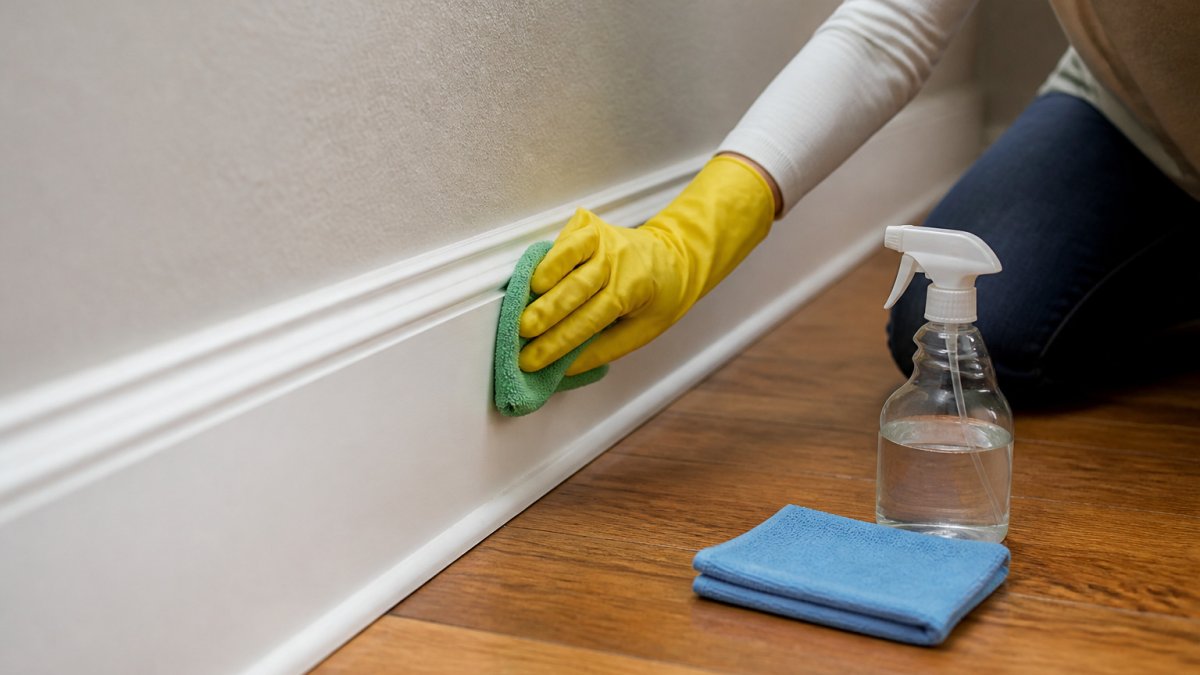
Pro Tip When getting a flat-rate quote, be specific about what "cleaning" means to you. Do baseboards count? Inside the refrigerator? Behind appliances? Clarifying scope prevents disputes later.
How Long Does It Take to Clean a House
Cleaning time determines which pricing model makes sense for you, and it varies dramatically based on home size, condition, and what "clean" means.
Cleaning time varies dramatically based on home size, condition, and what "clean" means.
Deep cleaning takes significantly longer. If you haven't had professional cleaning in months or the home has heavy buildup, add 50 to 100 percent more time, potentially twice as long as a maintenance cleaning.
One-time cleans also take longer than recurring cleans. The first visit establishes a baseline. Subsequent visits are faster because maintenance cleaning is easier than catching up on months of neglect.
Time affects which model saves you money. If your home always takes 3 hours for maintenance cleaning, flat-rate pricing is predictable and fair. If time varies wildly, hourly pricing might protect you from overpaying.
What Is Included in a House Cleaning
Before comparing costs, know what you're paying for, since "house cleaning" means different things to different services.
A standard residential cleaning typically includes:
Vacuuming all carpeted areas
Sweeping and mopping hard floors
Dusting surfaces, shelves, and furniture
Cleaning bathrooms (toilet, sink, shower/tub, mirrors)
Wiping down kitchen counters and appliances
Emptying trash
Tidying and organizing common areas
What's often NOT included in standard cleaning:
Deep cleaning inside appliances (oven, refrigerator, microwave)
Washing windows (interior or exterior)
Cleaning inside cabinets or drawers
Carpet shampooing or stain removal
Laundry or organizing personal items
Pressure washing or exterior cleaning
Removing clutter or junk
Scope directly affects pricing: a service including oven cleaning and window washing charges more than basic cleaning only. Clarity here prevents disputes.
At Janicemariecleaningservices, we use primarily all-natural supplies and take a detail-oriented approach to ensure safety for your family and pets. Confirming what's included, and what costs extra, is essential before committing to either pricing model.
Best For Flat-rate pricing works best when the scope is clearly defined and consistent. Hourly pricing works best when you're unsure what the job will require.
Cost Comparison: Hourly vs Flat Rate
Let's compare real scenarios.
Scenario 1: Recurring Maintenance Cleaning
You have a 1,800-square-foot home in good condition. You want maintenance cleaning every two weeks.
Hourly rate: $45/hour. The job consistently takes 3 hours. Cost per visit: $135.
Flat rate: $130 per visit for recurring cleaning.
Over a year (26 visits):
Hourly: $3,510
Flat rate: $3,380
The flat rate can offer predictability when the job is consistent.
Scenario 2: One-Time Deep Clean
Your home hasn't been professionally cleaned in six months. It's 2,000 square feet. You're not sure how long it will take.
Hourly rate: $50/hour. Deep cleaning takes 5 to 6 hours. Cost: $250-$300.
Flat rate: $250 quoted upfront.
Here the flat rate protects you: six hours at the hourly rate costs $300, versus $250 flat no matter what. But the cleaner bears risk too, losing money if the job runs seven hours.
Scenario 3: First-Time Clean of a Neglected Home
Your home needs serious attention. The condition is unknown.
Hourly rate: $40/hour. Could take 6-8 hours. Cost: $240-$320.
Flat rate: Hard to quote. The cleaner might refuse to quote flat rate without seeing the home first.
Here, hourly pricing protects both parties. You don't overpay if the job is lighter than expected, and the cleaner doesn't underprice a disaster.
Situation | Hourly Pricing | Flat-Rate Pricing | Better Choice |
Recurring maintenance | Predictable at $40-$50/hr | Locked-in cost | Flat rate |
One-time deep clean | $250-$300 range | $250 upfront | Flat rate (if scope is clear) |
Unknown condition | Flexible cost | Risky to quote | Hourly |
Small homes | $60-$100 per visit | $80-$120 per visit | Flat rate |
Large homes | $150-$200+ per visit | $180-$280+ per visit | Hourly (more flexibility) |

Cleaning Service Estimate Checklist: What to Confirm Before Booking
Before committing to either pricing model, make sure you and the cleaning service are on the same page, since misalignment is where most disputes happen.
Scope Confirmation:
What tasks are included in "standard cleaning"?
What tasks cost extra?
Are baseboards, inside cabinets, or appliance interiors included?
How will clutter or personal items be handled?
Pricing Details:
What is the exact rate or flat fee?
Are there minimum charges or minimum time requirements?
If hourly, what happens if the job runs over the estimate?
Are there travel fees, material fees, or other add-ons?
What's the cancellation or rescheduling policy?
Quality Standards:
What does the cleaner consider "complete"?
How will they handle pet hair, stubborn stains, or problem areas?
What if you're not satisfied with the result?
Is there a satisfaction guarantee or touch-up policy?
Logistics:
When can they start?
How long do they expect the job to take?
Will one cleaner come or a team?
Do they need access before you arrive, or will you be home?
How do they handle locked doors, alarms, or pets?
Supplies and Safety:
What cleaning products do they use?
Are they all-natural, hypoallergenic, or pet-safe?
Do they bring their own equipment or expect you to provide it?
Are they insured and bonded?
Get these details in writing to prevent misunderstandings. A good service answers clearly; vagueness or dismissal is a warning sign.
Which Pricing Model Is Right for You
The choice between flat rate and hourly pricing depends on your specific situation.
Choose flat-rate pricing if:
You want predictable, locked-in costs
Your home is a consistent size and condition
You're booking recurring cleaning (weekly, biweekly, or monthly)
You want to compare quotes directly without uncertainty
You prefer not to worry about time running over
Your home is relatively clean and well-organized
Choose hourly pricing if:
You're unsure what the job will require
Your home's condition is unpredictable or varies significantly
You're booking a one-time clean and want flexibility
You want to pay only for time actually spent
The scope of work is hard to define upfront
You're doing a first-time deep clean and don't know the baseline
Many homeowners benefit from a hybrid approach: use hourly pricing for the first cleaning to establish a baseline, then switch to flat-rate pricing for recurring visits once you know the scope.
At Janicemariecleaningservices, we work with both models and help you choose what fits your needs. We offer same-day estimates so you can make an informed decision quickly. Our detail-oriented approach means we're thorough about scope, we ask the right questions upfront so there are no surprises later. For guidance on evaluating cleaning services, the Better Business Bureau provides resources on what to look for.
The goal isn't to pick the "right" pricing model in the abstract. It's to pick the one that matches your home, your budget, and your peace of mind.
Choosing between flat rate and hourly cleaning pricing doesn't have to be complicated. The best choice depends on whether you value cost certainty or scheduling flexibility. For recurring cleaning in a predictable home, flat-rate pricing delivers peace of mind and typically saves money over time.
Frequently Asked Questions
What is the difference between flat-rate and hourly cleaning services?
Flat-rate pricing sets a fixed price for a defined cleaning scope. Hourly pricing charges per hour worked. Flat-rate pricing offers cost certainty upfront; hourly pricing reflects actual time spent and works better for unpredictable jobs or homes with variable conditions. Your choice depends on whether you know the exact scope and can predict how long the work will take.
How long does it take to clean a house on average?
Cleaning time varies by home size, layout, and condition. Recurring maintenance cleaning is faster than first-time or deep cleans because there is less buildup. When comparing hourly and flat-rate quotes, ask the service provider how many hours they estimate for your specific home, this helps you evaluate whether hourly or flat-rate pricing is better value.
What is typically included in a house cleaning service?
Standard house cleaning usually covers dusting, vacuuming, mopping floors, cleaning bathrooms (toilets, sinks, tubs), wiping down kitchen surfaces, and taking out trash. Many services include inside refrigerators, baseboards, and light fixtures; others charge extra for these tasks. Deep cleaning adds window interiors, inside cabinets, and appliance exteriors. Always ask for a detailed cleaning checklist before booking to confirm what is and is not included in your estimate, this prevents surprises and ensures you get the scope you expect.
Is it cheaper to hire a cleaner by the hour or at a flat rate?
Neither is automatically cheaper, it depends on the job and the service provider. For predictable, recurring cleaning of a consistent home, flat-rate pricing often feels cheaper because you know the exact cost upfront and the service provider has incentive to work efficiently. For first-time, deep, or highly variable jobs, hourly pricing can be fairer because you only pay for actual time. Compare written estimates from the same provider under both models, or get quotes from multiple providers using the same pricing method to evaluate true cost.
What should I confirm before booking a cleaning service?
Before booking, confirm the exact scope (which rooms, which tasks, which surfaces), whether the price includes extras like inside appliances or baseboards, the estimated duration, the number of cleaners, cancellation and rescheduling policy, what cleaning supplies they use (especially important if you have pets or chemical sensitivities), whether they are insured and bonded, and what happens if work is incomplete or you are unsatisfied. Request a written estimate that lists all of these details. Ask about same-day estimate availability if you need a quick quote.

Comments