


7 Benefits of Weekly House Cleaning: Why It Pays Off

Table of Contents
Last Updated: October 16, 2026
Why Weekly House Cleaning Pays Off for Busy Households
Weekly house cleaning resets every room on a seven-day cycle so dust, allergens, and grime never build up.
A consistent weekly routine protects your health, your time, and the surfaces you paid for. Below: seven benefits, plus a room-by-room checklist.
Key Takeaway Weekly house cleaning isn't about scrubbing harder. It's about cleaning often enough that nothing ever gets truly dirty.
Benefit 1: Better Indoor Air Quality and Fewer Allergens
A regular cleaning schedule directly improves the air your family breathes.
According to the American Lung Association's guidance on indoor air quality, indoor air can carry more pollutants than outdoor air in many homes.
If anyone in your home has allergies or asthma, frequency matters more than intensity: one deep clean in spring does less than fifty-two lighter cleans a year.
What Weekly Cleaning Actually Removes
Dust and dust mites from bedding, upholstery, and carpet
Pet dander that clings to soft surfaces
Pollen and outdoor particles tracked in on shoes and paws
Benefit 2: Less Dust, Bacteria, and Grime Buildup
Grime compounds. A thin film of kitchen grease becomes a sticky layer that traps dust and breeds bacteria. Wait three weeks and you're scrubbing instead of wiping.
Weekly cleaning interrupts that cycle: high-touch points like light switches, door handles, faucets, and remotes get disinfected before bacteria accumulate, bathrooms stay ahead of soap scum and mildew, and kitchen counters stay food-safe.
The payoff is simple: less buildup means easier maintenance. A ten-minute wipe-down each week replaces a two-hour deep scrub every few months.
Benefit 3: Lower Stress and a Calmer Home Environment
Clutter and mess are visual noise. Studies link disordered spaces with higher stress levels, and many people feel calmer the moment a room is reset.
A clean home removes a low-grade background worry: you stop cataloging what needs doing and apologizing when someone drops by. For busy families, that relief is often the first benefit they notice.
Pro Tip If stress is your main motivation, schedule your cleaning for the same day each week. Predictability does as much for your peace of mind as the cleaning itself.
Benefit 4: Time Savings That Go Back Into Your Week
Here's the counterintuitive part: a weekly cleaning routine saves time rather than costing it. Each session is shorter because there's less to remove, skip a month and you pay it back with interest.
The reason is mechanical: grime builds in layers. A weekly wipe removes one thin layer of kitchen grease in seconds; let four weeks stack up and that surface needs a degreaser, dwell time, and scrubbing.
Where the Hours Actually Go
Most households underestimate catch-up cleaning because they count only the visible task. What a skipped week adds back:
Kitchen: grease that has cured on cabinet fronts and the range hood takes several times longer to cut than a fresh film.
Bathrooms: soap scum and hard-water film bond to glass and tile and need acidic cleaners and repeat passes instead of a quick wipe.
Floors: grit that stays down gets ground into finish and grout lines, so you mop twice to get the same result.
A household spending 30-45 minutes a week on upkeep typically spends three to four hours on one catch-up session after a month off, small, frequent effort versus large, rare effort.
The Professional-Service Math
Many households find a professional weekly visit frees up an entire weekend morning. Recurring plans also cost less per visit than one-time bookings, because the home stays in easier condition and the crew isn't pricing in catch-up labor.
When comparing quotes, ask how the rate is structured, not just the headline number. Recurring weekly service is quoted lower per visit than biweekly, which is lower than a one-time deep clean, because each tier assumes a different starting condition.
What Drives the Price
If you're weighing how much house cleaning typically costs, frequency is usually the biggest lever, but it isn't the only one. The main cost drivers are:
Square footage and number of bathrooms, more rooms means more labor hours.
Frequency, weekly service carries the lowest per-visit rate.
Condition at first visit, a heavy initial clean may cost more than the ongoing rate.
Pro Tip Before you book, ask for the recurring per-visit rate and the one-time rate side by side. The gap between them tells you how much the provider is charging for catch-up labor, which is the cost a weekly routine is designed to avoid.
The Real Payoff
The savings aren't just the minutes you don't spend scrubbing. They're the weekend morning you don't lose, the deep-clean bill you don't pay, and the surfaces you don't refinish because grit never sat long enough to damage them.
Benefit 5: Sharper Focus and Higher Productivity at Home
A clean workspace changes how you work.
The effect carries through the home: meals get made faster in an organized kitchen, mornings run smoother when clothes and bags have a place, and kids finish homework with less distraction.
Weekly cleaning keeps that baseline steady, so the environment supports focus every day instead of in occasional bursts of tidying.
Benefit 6: Easier Home Maintenance and Longer-Lasting Surfaces
Dirt is abrasive: grit on hardwood acts like sandpaper underfoot, dust on electronics blocks airflow, soap scum etches glass and tile, and unchecked moisture damages grout and caulk.
Maintenance also gets easier to track. Being in every room each week means you notice the small stuff, a slow leak, a loose hinge, a failing window seal, and small problems stay small.
Benefit 7: A Consistently Clean and Organized Home for Family and Guests
A welcoming home doesn't happen by accident; it's the result of a routine that keeps things consistently clean and organized.
Consistency also sets household expectations: when everyone knows the house gets reset weekly, clutter gets picked up rather than abandoned, belongings have homes, and surfaces stay clear.
That steadiness is what a professional cleaning service is built to deliver, and it's the reason many families choose to hand the routine off entirely.
How Often Should a House Cleaner Come?
Most households do best with weekly service, biweekly at minimum. Weekly cleaning keeps buildup from starting, making each visit faster and cheaper than catching up after a gap. Biweekly suits smaller homes with light traffic; monthly suits single occupants or seasonal properties.
Frequency isn't a preference question, it's a function of how fast your home gets dirty. Use the criteria below rather than guessing.
Match Frequency to Your Household
Household Profile | Recommended Frequency | Why |
Families with young children | Weekly | Sticky surfaces, high-touch points, and floor traffic regenerate daily |
Pet owners (especially shedders) | Weekly | Dander and tracked-in debris reload soft surfaces within days |
Allergy or asthma sufferers | Weekly | Allergen load needs to stay below the threshold that triggers symptoms |
Two working adults, no pets | Biweekly | Light, predictable use; buildup stays manageable |
Single occupant, small home | Biweekly to monthly | Low traffic and few high-touch zones |
Vacation or seasonal property | Monthly or per-stay | Dust settles but traffic is minimal |
The Three Questions That Decide It
If you're unsure, ask three questions:
How many people and pets live here? More occupants and animals generate mess faster.
Does anyone have allergies or asthma? If yes, frequency matters more than intensity, because allergen load rebuilds between visits.
How much does a messy home affect your stress? If disorder raises your baseline anxiety, weekly service buys back more than a clean house.
Two or more strong yeses point toward weekly; one or none usually means biweekly is enough.
Weekly vs. Biweekly vs. Monthly: The Real Trade-Off
Schedule | Best For | Tradeoff |
Weekly | Families, pets, allergies, high-traffic homes | Highest monthly cost, lowest per-visit effort and lowest per-visit rate |
Biweekly | Couples, smaller homes, light use | Slight buildup between visits; per-visit rate higher than weekly |
Monthly | Single occupants, vacation homes | Heavier cleaning needed each visit; per-visit rate highest |
The counterintuitive part: the cheapest schedule per visit is the most frequent one. Providers price recurring weekly service lower because the home stays in maintenance condition; drop to monthly and each visit becomes closer to a deep clean, so the per-visit rate climbs even with fewer bookings.
When to Move Up or Down a Tier
Frequency isn't permanent. Reassess when your household changes:
Move up to weekly if you add a pet, a child, or a remote worker who's home all day, or if anyone develops allergies.
Move down to biweekly if occupants decrease, a pet leaves, or you're traveling often enough that the home sits empty.
Add a seasonal deep clean on top of any schedule for ovens, vents, grout, and behind appliances.
Key Takeaway Pick the frequency that matches how fast your home gets dirty, not the one that looks cheapest on a quote. The per-visit rate and the total yearly cost often point in opposite directions.
A Simple Test
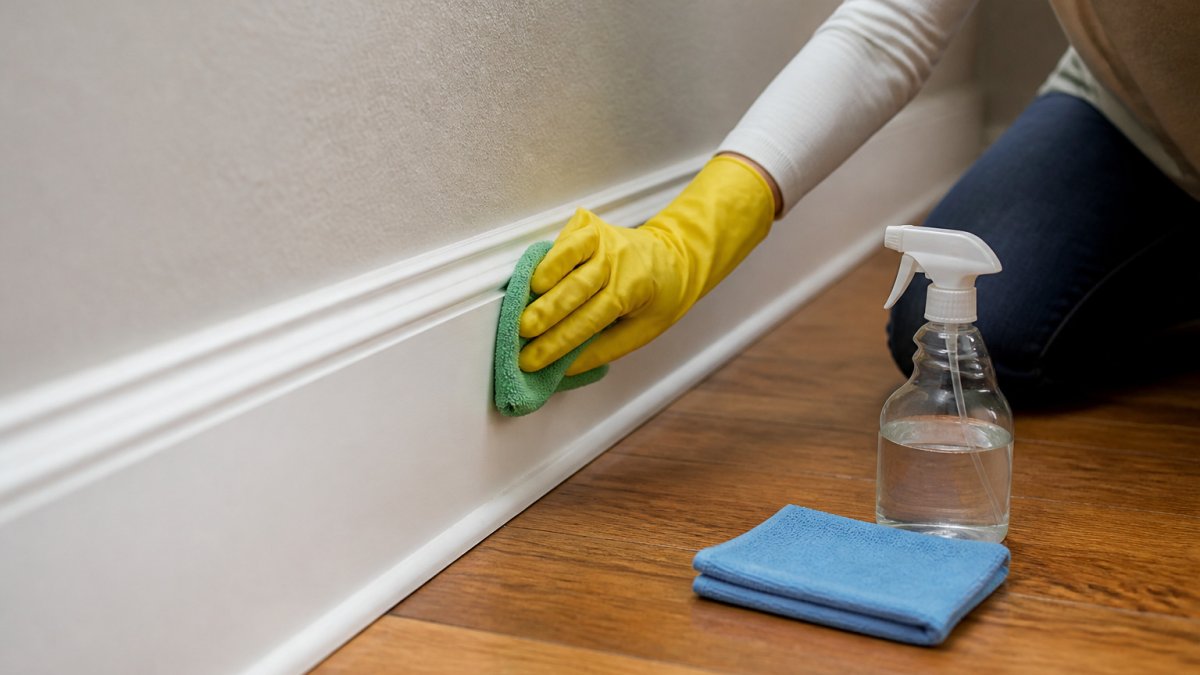
Run a white cloth across a kitchen cabinet or baseboard: if it comes back visibly gray, your interval is too long. If it's clean a week after a visit, you may be able to stretch the schedule. Let the surfaces decide, not the calendar.
Your Weekly House Cleaning Checklist, Room by Room
Use this checklist to build a weekly cleaning schedule that fits your home. Assign each room a day, or block two hours and work through the list in order.

Kitchen
Wipe counters, backsplash, and appliance fronts
Clean sink and disinfect handles
Sweep and mop floors
Bathrooms
Scrub toilets, sinks, and showers
Wipe mirrors and fixtures
Replace towels and wash bath mats
Bedrooms
Change sheets and pillowcases
Dust nightstands and dressers
Vacuum under the bed and along baseboards
Living Areas
Dust surfaces, shelves, and electronics
Vacuum carpets and rugs, including under furniture
Fluff cushions and fold throws
Whole Home
Vacuum or mop all hard floors
Wipe light switches and door handles
Take out recycling and trash
Watch Out Don't skip the high-touch points. Door handles, light switches, and faucets are where bacteria concentrate, and they're the spots most people forget.
What Weekly House Cleaning Does Not Replace
Weekly cleaning is maintenance, not a cure-all. Some tasks need their own schedule:
Deep cleaning: Ovens, vents, grout, and behind appliances need attention a few times a year.
Seasonal work: Gutters, windows, and HVAC filters follow the calendar, not the week.
Decluttering and organizing: Cleaning removes dirt; organizing removes excess. They're different jobs.
Knowing the difference keeps expectations realistic. Weekly cleaning holds the line. Everything else builds on top of it.
Tailoring Frequency to Your Household
One schedule doesn't fit every home. Pet owners, allergy sufferers, and families with young children usually need weekly service because dander, paws, and sticky hands regenerate fast.
The Case for Handing It Off
Doing it yourself works, but it costs the one resource you can't buy back. A professional service keeps the schedule consistent, handles the details most people skip, and frees your weekends from baseboards.
At Janicemariecleaningservices, we've spent over two decades cleaning homes with primarily all-natural supplies, safe for kids and pets. Our personalized booking keeps each visit reliable, our detail-focused teams handle the spots others miss, and same-day estimates mean you can get a quote without waiting.
Frequently Asked Questions
How often should a house cleaner come?
It depends on your household. Weekly house cleaning suits homes with pets, children, allergies, or heavy daily use. Biweekly works for smaller households with lighter traffic, and monthly visits fit single occupants who keep up with daily tidying. A quick way to decide: if dust and clutter visibly return within a week, weekly service keeps the home consistently clean instead of letting grime build between visits.
What should you clean in your house every week?
Focus weekly effort on high-touch and high-traffic areas: kitchen counters and sinks, stovetops, bathroom toilets, showers, and sinks, floors in main living spaces, and frequently touched spots like doorknobs and light switches. Add dusting of visible surfaces, emptying all trash, and changing bed linens. Rotate deeper tasks, such as baseboards or inside the fridge, on a monthly or quarterly basis rather than every week.
Is weekly house cleaning worth it?
For most busy households, yes. Weekly house cleaning keeps dust, allergens, and grime from accumulating, which makes each visit faster and home maintenance easier over time. It also frees up several hours a week for work, family, or rest, and many people find a consistently clean home lowers day-to-day stress. Recurring plans also typically cost less per visit than one-time bookings.
What is the 5-5-5 rule for cleaning?
The 5-5-5 rule is a simple time-management method: spend five minutes tidying a room, five minutes on another task, and five minutes on a third. It is designed to break cleaning into short, manageable bursts instead of one long session. It works well as a daily maintenance habit, but it does not replace a weekly cleaning schedule that covers floors, bathrooms, and kitchen surfaces.
How does regular house cleaning help keep a home organized?
A weekly routine forces a small reset every seven days. Items get returned to their spots, mail and paperwork get sorted, and clutter does not have a chance to pile up. That consistent rhythm makes it easier to notice what you own and what you no longer need. Over time, a clean and organized home takes less effort to maintain, not more.
Weekly house cleaning is one of the few habits that pays you back in health, time, and peace of mind all at once. If your schedule keeps winning the fight against your to-do list, let us take it off your hands. Janicemariecleaningservices offers flexible service options, all-natural supplies, and a personalized booking process built around your household. Call or email for a free estimate at 1-612-203-1686 and get a consistently clean home without giving up your weekend.

Comments