


Why Indoor Air Quality Matters for Healthy Homes

Table of Contents
What Indoor Air Quality Means for Your Home
Common Indoor Air Pollutants and Their Health Effects
Sources of Indoor Air Pollution
The Link Between IAQ and Allergies or Asthma
The Overlooked Impact: Cognitive Function, Sleep, and Productivity
Who Is Most at Risk
How to Improve Indoor Air Quality Naturally
Step 1: Source Control (The Highest-Impact, Lowest-Cost Step)
Step 2: Ventilation (The Most Underused Fix)
Step 3: Filtration (The Backup Layer)
DIY vs. Professional: When to Handle It Yourself and When to Call In Help
Smart Home Integration: Automating the Process
How to Maintain a Clean Home with Pets
Benefits of Professional Air Quality Testing
Smart Home Integration for Better Indoor Air
Conclusion
Frequently Asked Questions
Last Updated: September 30, 2026
What Indoor Air Quality Means for Your Home
Indoor air quality is the measure of the pollutants, moisture, and ventilation inside a building, and it directly shapes how healthy your home is to live in. The average American spends roughly 90% of their time indoors, according to the U.S. Environmental Protection Agency, which makes the air inside your house a bigger daily exposure than the air outside it.
Common Indoor Air Pollutants and Their Health Effects
The pollutants that matter most fall into a handful of categories: particulate matter (tiny solid and liquid particles), volatile organic compounds (VOCs, chemical vapors released by everyday products), combustion gases like carbon monoxide, radioactive radon, biological contaminants such as mold spores and airborne pathogens, and allergens from dust mites and pets.
Sources of Indoor Air Pollution
Common sources include gas stoves and unvented heaters, pressed-wood furniture that releases formaldehyde through off-gassing, cleaning products and paints, candles, tobacco smoke, excess moisture that feeds mold, and outdoor pollution drawn in through a poorly sealed building envelope. Radon, a naturally occurring gas, can seep up from soil beneath a home and is a leading cause of lung cancer in non-smokers, per the EPA radon guidance.
The Link Between IAQ and Allergies or Asthma
Poor indoor air quality is a well-documented asthma trigger. When airborne contaminants like dust mite allergens, pet dander, and mold spores accumulate, they provoke allergic responses and respiratory distress in sensitive people. Chronic exposure to fine particulate matter is linked to long-term respiratory health problems, which is why doctors often ask about the home environment before adjusting treatment.
The Overlooked Impact: Cognitive Function, Sleep, and Productivity
Most guides stop at allergies and asthma, but the health effects of indoor air quality extend well beyond the respiratory system. Carbon dioxide (CO2) levels, which rise in tightly sealed homes with poor ventilation, have a measurable effect on how well you think and sleep. Outdoor CO2 concentrations hover around 420 parts per million (ppm), but indoor levels in a closed bedroom can climb past 1,000 ppm overnight and reach 2,000 ppm or more in a crowded, unventilated room.
Key Takeaway If you or your family feel foggy, tired, or headachy at home but fine elsewhere, poor ventilation and elevated CO2 may be the cause. A simple CO2 monitor can confirm it in minutes.
Who Is Most at Risk
Not everyone reacts to poor indoor air the same way. Children, whose lungs and immune systems are still developing, breathe more air per pound of body weight than adults and are especially vulnerable. Older adults and people with pre-existing respiratory or cardiovascular conditions face higher risks from particulate matter and carbon monoxide. Pregnant women, people with compromised immune systems, and anyone spending long hours in a home office or bedroom with poor ventilation should pay particular attention to air quality monitoring.
How to Improve Indoor Air Quality Naturally
The most effective natural strategy follows a clear hierarchy: pollutant source control first, then ventilation, then filtration. Skipping straight to buying an air purifier without addressing the source is like bailing water without fixing the leak.

Step 1: Source Control (The Highest-Impact, Lowest-Cost Step)
Eliminate or isolate the sources of indoor air pollution before anything else. Switch to low-VOC or zero-VOC paints, seal pressed-wood furniture with a safe finish to reduce formaldehyde off-gassing, and store cleaning chemicals, paints, and solvents in a garage or sealed cabinet rather than under the kitchen sink. If you have a gas stove, always run the exhaust fan while cooking and consider an electric or induction alternative if you're renovating.
Step 2: Ventilation (The Most Underused Fix)
Opening windows for even ten minutes a day raises the air exchange rate and flushes stale, contaminated air. Running a kitchen exhaust fan while cooking removes combustion byproducts at the source, and running bathroom fans for 15-20 minutes after a shower pulls out moisture before mold can take hold. In tightly sealed modern homes, a heat recovery ventilator (HRV) or energy recovery ventilator (ERV) brings in fresh air without throwing away your heating or cooling.
Step 3: Filtration (The Backup Layer)
HEPA filters capture fine particles down to 0.3 microns with 99.97% efficiency, and a well-maintained HVAC system with a clean filter keeps air circulating without redistributing dust. Upgrade to a MERV 11-13 filter if your system can handle it, but check your owner's manual first, because too-high a MERV rating can restrict airflow and strain the blower motor. Standalone air purification units with HEPA and activated carbon are useful in bedrooms and living rooms, but they only clean the air that passes through them, so placement and sizing matter.
Pro Tip Check your HVAC filter monthly during heavy-use seasons. A clogged filter forces the system to recirculate the same dust and dander, quietly undoing every other effort you make.
DIY vs. Professional: When to Handle It Yourself and When to Call In Help
Most homeowners can handle the basics: changing filters, opening windows, running exhaust fans, vacuuming with a HEPA machine, and wiping down surfaces. But some situations call for professional help, and knowing the difference saves money and prevents health risks.
Situation | DIY Approach | When to Call a Pro |
Routine dust and dander | HEPA vacuum, dust with damp cloth, wash bedding weekly | Persistent symptoms despite consistent cleaning |
Musty smell or visible mold | Fix leaks, run dehumidifier, clean small areas with detergent | Mold covers more than 10 sq ft, or smell returns after cleaning |
Suspected radon | Short-term test kit (available at hardware stores) | Result is 4 pCi/L or higher, mitigation requires a certified contractor |
Gas appliance concerns | Check for yellow flames, ensure vents are clear | Any suspicion of carbon monoxide leak, evacuate and call 911 |
Allergy or asthma symptoms | Track triggers, improve filtration and ventilation | Symptoms persist after 4-6 weeks of home changes |
New home or major renovation | Air out new materials, use low-VOC products | Whole-home assessment before move-in |
Smart Home Integration: Automating the Process
Smart home integration turns passive air quality management into an automatic system. Air quality monitoring devices track particulate matter, VOCs, and relative humidity in real time, then trigger action without you lifting a finger. A connected setup can switch on an air purification unit when particle counts spike, boost your HVAC system fan when humidity climbs, and send an alert when carbon monoxide is detected.
Key Takeaway Monitoring without action is just data. Link your sensors to your purifier, fan, and vent controls so the system corrects itself the moment readings drift.
How to Maintain a Clean Home with Pets
Pets add dander, fur, and tracked-in soil to your indoor climate, and managing them well is central to how to maintain a clean home with pets. Vacuum with a HEPA-equipped machine at least twice weekly, wash pet bedding on a hot cycle, and keep litter boxes away from vents and sleeping areas.
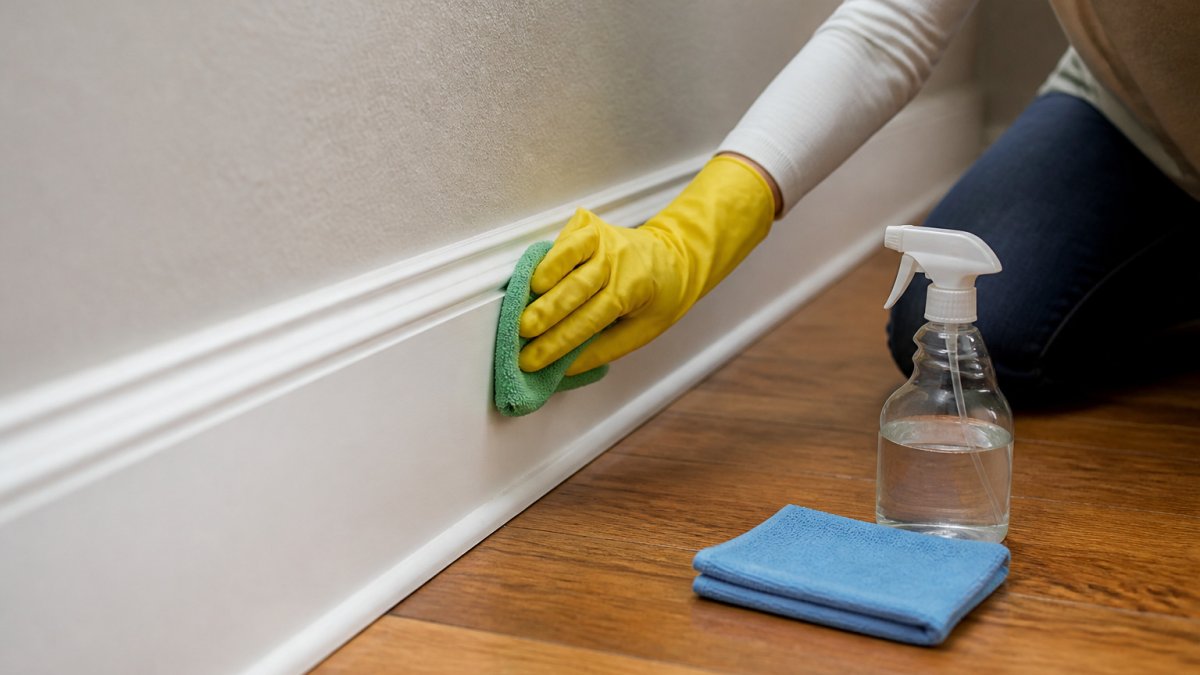
Watch Out Skipping baseboards, vents, and under-furniture zones leaves dander reservoirs that re-release into the air every time the HVAC kicks on. Surface cleaning alone will not fix a pet-related air problem.
Benefits of Professional Air Quality Testing
Professional air quality testing measures what you cannot see or smell: radon levels, carbon monoxide, relative humidity, mold spore counts, and fine particulate matter. A trained technician uses calibrated instruments and can pinpoint a specific pollutant source rather than guessing.
Test Type | What It Detects | Best For |
Radon test | Radioactive gas from soil | Every home, especially basements |
Combustion gas check | Carbon monoxide, nitrogen dioxide | Homes with gas appliances |
Mold and moisture survey | Mold spores, relative humidity | Damp rooms, water damage history |
Particulate sampling | Fine dust, allergens | Allergy and asthma households |
Smart Home Integration for Better Indoor Air
Smart home integration turns passive air quality management into an automatic system. Air quality monitoring devices track particulate matter, VOCs, and relative humidity in real time, then trigger action without you lifting a finger.
Conclusion
Improving indoor air quality rarely comes down to one product. It comes down to consistent source control, real ventilation, and cleaning that reaches the places dust and dander actually collect, the baseboards, vents, and hidden corners most services skip. That is exactly the standard Janicemariecleaningservices brings to every home, backed by over two decades of experience, primarily all-natural supplies, and a detail-focused approach built around your family and pets.
Frequently Asked Questions
At what AQI should I stay indoors?
The Air Quality Index (AQI) runs from 0 to 500. When outdoor AQI reaches 101 to 150 (unhealthy for sensitive groups), children, older adults, and people with asthma or heart conditions should limit time outside. Above 151 (unhealthy for everyone), move exercise and play indoors. Indoor air can be two to five times more polluted than outdoor air, so even on moderate days, running a HEPA filter and keeping windows closed during high-pollen or wildfire-smoke periods protects your indoor air quality.
What are the most effective natural ways to improve indoor air quality?
Start with source control: switch to low-VOC paints and cleaning products, and avoid synthetic air fresheners. Then ventilate by opening windows for 10 to 15 minutes daily, especially after cooking or showering. Add HEPA filtration in bedrooms and living areas, keep indoor relative humidity between 30 and 50 percent to prevent mold spores, and vacuum with a HEPA-equipped vacuum at least weekly. These steps improve indoor air quality naturally without relying on chemical sprays or ozone generators.
How do pets impact the air quality in my home?
Pets shed dander, fur, and saliva proteins that become airborne allergens. Litter boxes, especially clay-based ones, release dust and ammonia. Regular grooming, washing pet bedding weekly, using a HEPA vacuum, and running an air purifier with a carbon filter reduce pet-related airborne contaminants. If someone in the home has asthma or allergic responses, keeping pets out of bedrooms and maintaining a consistent cleaning routine makes the biggest difference for indoor air quality.
Can poor indoor air quality make you sick?
Yes. Chronic exposure to particulate matter, volatile organic compounds, carbon monoxide, and mold spores is linked to respiratory distress, headaches, fatigue, and worsened asthma triggers. Radon, a colorless gas from soil, is the second leading cause of lung cancer in the U.S. Short-term symptoms like coughing, sneezing, or eye irritation that ease when you leave home often point to an indoor air problem. Professional air quality testing identifies which pollutants are present so you can target the source.
CALL OR EMAIL FOR A FREE ESTIMATE 1-612-203-1686

Comments