


Commercial Office Cleaning: Costs, Checklists & Green Benefits

Table of Contents
What Commercial Office Cleaning Actually Covers
Standard Janitorial Tasks vs. Deep Cleaning
Cleaning Methods, Equipment, and Commercial Grade Chemicals
What Drives Commercial Cleaning Cost (and How to Use a Commercial Cleaning Cost Calculator)
How a Cleaning Quote Is Actually Built
Square Footage Pricing, Occupancy Rates, and Cleaning Frequency
How to Pressure-Test a Calculator Output
Where the Real Cost Leverage Sits
An Office Cleaning Checklist for Professionals
Daily, Weekly, and Monthly Tasks
The Benefits of Green Cleaning for Businesses
How to Choose a Commercial Office Cleaning Company
Service Level Agreements, Insurance, and Vetting Night-Shift Staff
Security, Access Control, and Background Screening
Contract Terms That Protect You
Technology and Reporting as a Selection Criterion
A Shortlist Scorecard
Angles Most Buyers Miss: IAQ, HVAC Sanitation, and Janitorial Technology
What Separates a Reliable Provider From a Cheap One
Frequently Asked Questions
Last Updated: September 23, 2026
What Commercial Office Cleaning Actually Covers
Commercial office cleaning is the scheduled professional upkeep of a workplace, from emptying bins to disinfecting shared surfaces, and it splits into two service levels. At Janicemariecleaningservices, we've spent over two decades in the industry, helping office managers understand the nuances of commercial cleaning services.

Standard Janitorial Tasks vs. Deep Cleaning
Routine janitorial services handle visible, repeatable work: trash removal, vacuuming, restroom sanitation, and wiping high-touch surfaces like door handles, light switches, and shared keyboards.
Cleaning Methods, Equipment, and Commercial Grade Chemicals
Method matters more than most buyers realize. Microfiber traps soil instead of pushing it around, color-coded cloths prevent cross-contamination between restrooms and kitchens, and HEPA filtration vacuums capture fine particles that standard vacuums recirculate.
Pro Tip Ask for the safety data sheets before the first visit. A provider who uses primarily all-natural supplies should hand these over without hesitation, and they tell you exactly what will touch your desks.
What Drives Commercial Cleaning Cost (and How to Use a Commercial Cleaning Cost Calculator)
Pricing for commercial office cleaning comes down to three primary variables, square footage, occupancy, and frequency, plus secondary modifiers most quotes bury in a line item. A commercial cleaning cost calculator multiplies the primary variables against a base production rate, then adjusts for restroom count, kitchen areas, floor types, and specialty scope like carpet extraction or post-construction debris.
How a Cleaning Quote Is Actually Built
A credible quote is a labor estimate with a margin attached, not a flat rate pulled from a chart. The provider estimates labor hours per visit, multiplies by a loaded hourly rate (wages plus payroll taxes, insurance, supervision, and supplies), then adds overhead and profit. Understanding that sequence lets you interrogate any number on the page.
Square Footage Pricing, Occupancy Rates, and Cleaning Frequency
Square footage pricing sets the baseline, but occupancy rates change the real workload. Dense seating means more high-touch surfaces, more waste, and more restroom traffic, the tasks that consume the most minutes per square foot. Two identical-size offices can differ widely in labor hours purely on desk density and headcount.
Cost Factor | What It Changes | Buyer Takeaway |
Square footage | Base labor hours | Get a per-square-foot rate and the production rate behind it in writing |
Occupancy rate | High-touch surface count | Disclose desk count and headcount, not just floor area |
Cleaning frequency | Total monthly visits | Compare cost per visit, not per month |
Floor types | Equipment and time | Carpet extraction costs more than vacuuming; tile and grout more than sealed concrete |
Restroom count | Sanitization scope | Count fixtures and square footage, not just rooms |
Kitchen or breakroom | Appliance and surface scope | Specify whether interiors are included |
Specialty scope | Add-on labor | Price windows, vents, and post-construction separately |
How to Pressure-Test a Calculator Output
Online calculators are useful for a sanity check, not a final number. Feed one your square footage, desk count, restroom count, and frequency, then compare the output to your quotes. A quote far below the range usually means scope was quietly trimmed, restroom interiors, kitchen appliances, or floor care dropped. A quote far above it usually means a deep clean was priced into a routine contract.
Watch Out Quotes that skip a walkthrough almost always come back higher after the first month. Insist on an on-site assessment before you sign anything, and get the production rate and excluded tasks in writing.
Where the Real Cost Leverage Sits
Buyers usually chase the lowest hourly rate and miss the bigger levers. Consolidating vendors, aligning cleaning frequency to actual occupancy patterns, and moving floor care to a quarterly cadence often saves more than a rate negotiation. So does specifying supplies and equipment in the contract, a provider using HEPA filtration vacuums and microfiber systems finishes faster, lowering labor hours even at the same hourly rate.
An Office Cleaning Checklist for Professionals
An office cleaning checklist for professionals turns a vague promise into something verifiable. Build it with your provider, attach it to the contract, and use it during walkthroughs.
Excellence Cleaning Pros
Daily, Weekly, and Monthly Tasks
Split tasks by cadence so both sides know what "clean" means on any given day.
Daily: Empty waste and recycling, vacuum traffic areas, sanitize restrooms, wipe high-touch surfaces, spot-clean glass doors
Weekly: Dust horizontal surfaces, mop hard floors, clean kitchen appliances, disinfect shared equipment
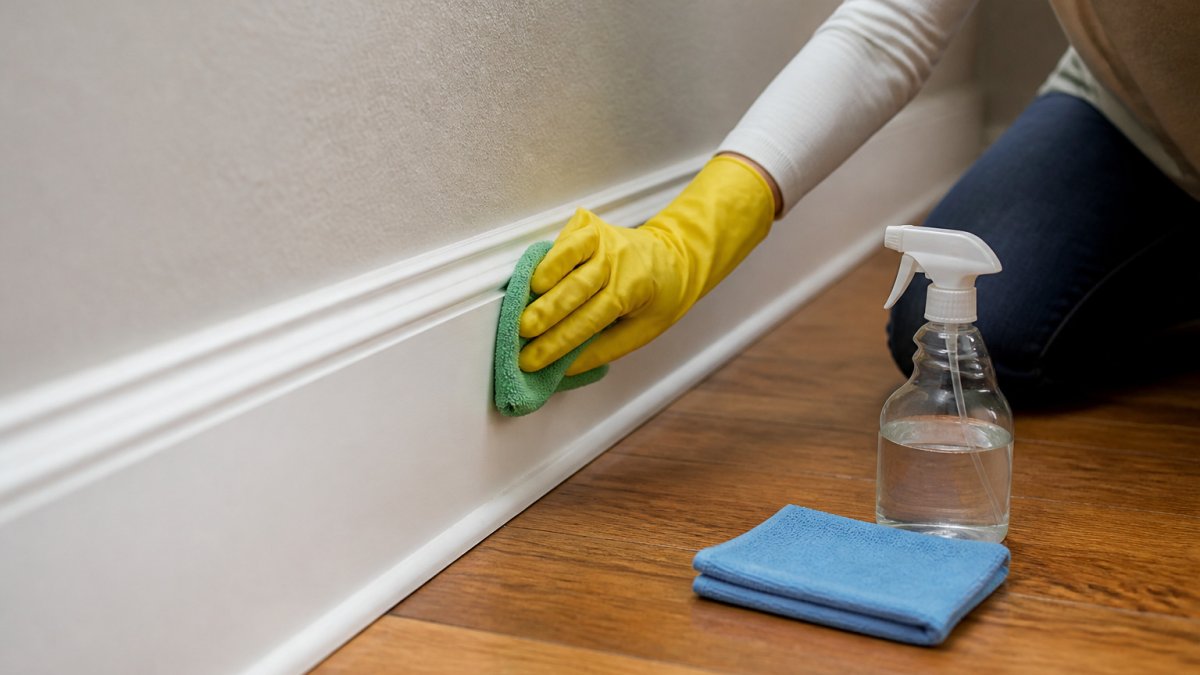
Monthly: Vacuum vents and edges, wipe baseboards, clean inside microwave and fridge, buff high-traffic flooring
Quarterly: Carpet extraction, hard floor buffing and waxing, deep restroom descaling, light fixture dusting
The Benefits of Green Cleaning for Businesses
The benefits of green cleaning for businesses extend past optics. Reduced chemical exposure supports occupational health and workplace hygiene, which matters when staff spend eight hours a day in the same air.
Key Takeaway Green cleaning is not a downgrade in results. It's a change in method, and it usually costs the same or slightly more, not dramatically more.
How to Choose a Commercial Office Cleaning Company
Choosing a commercial office cleaning company comes down to four checks: a written service level agreement, proof of insurance, a documented vetting process for night-shift staff, and references you actually call. Skip one and you're gambling with your building, the cheapest quote is often the one with no insurance certificate attached.
Service Level Agreements, Insurance, and Vetting Night-Shift Staff
A service level agreement spells out scope, frequency, response times, and complaint resolution. It should name the tasks from your checklist and state what happens when something is missed. Read it for exclusions, not just inclusions, exclusions are where disputes start.
Security, Access Control, and Background Screening
This is the section most competitors skip, and the one facilities and security managers care about most. A night-shift crew has after-hours access to your servers, files, and personal property, treat that access like any other vendor with keys to the building.
Ask four specific questions:
Screening: Are background checks run on every crew member, and are they re-run on a schedule? What does the check cover, criminal history, employment verification, identity?
Bonding: Is the company bonded, and what does the bond cover? Bonding is not the same as insurance, and it is not the same as a background check.
Access control: How are keys, fobs, and alarm codes issued, tracked, and recovered when an employee leaves? A provider who cannot describe a key log is a provider who cannot tell you who has access.
Supervision: Is there a working supervisor on site, or is the crew unsupervised overnight? Who is the named point of contact if something goes wrong at 3 a.m.?
Contract Terms That Protect You
Beyond scope and price, four contract terms deserve a close read. First, the termination clause: how much notice is required, and are there penalties for leaving early? Second, the price adjustment clause: what triggers a rate increase, and how much notice is required? Third, the insurance and indemnification language: does the provider indemnify you for damage caused by their staff?
Pro Tip Call two references from clients with a similar building size and schedule. Ask one question: how fast did they fix a problem? That answer predicts your experience better than any sales pitch. Then ask a second: has your crew changed in the last year? High turnover shows up in quality long before it shows up in a complaint.
Technology and Reporting as a Selection Criterion
Ask whether the provider offers digital checklists, QR-coded restroom logs, photo verification, or a client portal. These tools confirm work happened without being on site at 2 a.m. and create a record for service reviews. Many providers still run on paper, where the only evidence of work is the absence of complaints.
A Shortlist Scorecard
Score each finalist on five dimensions: scope clarity (does the SLA name every task?), insurance and bonding (current certificates, are you named as additional insured?), vetting and access control (can they describe screening and key management?), reporting and technology (verifiable records?), and references (fast problem resolution, stable crews?). A provider who scores well on all five is rarely the cheapest bid, and rarely the one you regret hiring.
Angles Most Buyers Miss: IAQ, HVAC Sanitation, and Janitorial Technology
Indoor air quality and HVAC sanitation are the two most overlooked items in commercial office cleaning contracts. Your HVAC system moves air through the building all day, and its vents, coils, and filters collect dust, pollen, and debris routine cleaning never touches.
What Separates a Reliable Provider From a Cheap One
Reliability in commercial office cleaning comes from staffing, not equipment. Providers who pay fair wages keep crews longer, and crews who stay learn your building, your problem areas, and your preferences.
Frequently Asked Questions
What is included in a standard commercial office cleaning service?
A standard visit covers trash and waste management, vacuuming and floor maintenance, restroom sanitation, high-touch surfaces like door handles and light switches, breakroom wipe-downs, and spot cleaning of glass. Deeper tasks such as carpet extraction, buffing and waxing, and HVAC vent cleaning are usually scheduled separately. Ask any provider for a written scope before signing, and confirm how they handle cross-contamination between restrooms and food areas.
How much does commercial office cleaning cost per square foot?
Commercial office cleaning pricing depends on square footage, occupancy rates, cleaning frequency, and the condition of the space, so rates vary widely by market and provider. Rather than quote a flat number, ask for a walkthrough estimate based on your actual layout. A commercial cleaning cost calculator can give you a rough starting range, but a site visit produces the accurate figure. Request a written quote that lists tasks, frequency, and supplies.
What are the benefits of green cleaning for businesses?
Green cleaning reduces indoor air quality complaints, limits occupant exposure to harsh fumes, and supports sustainability goals that tenants and employees increasingly weigh. It also pairs well with LEED certification compliance efforts, since green cleaning products and HEPA filtration count toward indoor environmental quality credits. For offices with staff who have asthma or chemical sensitivities, switching to all-natural supplies often reduces sick days and odour complaints without sacrificing results.
How often should a professional office cleaning service visit?
Most offices with 10 to 50 employees do well with daily or three-times-weekly janitorial services, plus a quarterly deep cleaning. High-traffic spaces such as lobbies, restrooms, and breakrooms need daily attention, while private offices and storage areas can be handled weekly. If your occupancy rates fluctuate or you host clients regularly, build a service level agreement that allows frequency changes without a new contract. Day porter services can cover mid-day spills between scheduled visits.
Finding a commercial office cleaning partner who shows up consistently, documents their work, and treats your space like their own is harder than it should be. Janicemariecleaningservices brings over two decades of experience, primarily all-natural supplies, a personalized booking process, and same-day estimates to every commercial client. Call or email for a free estimate at 1-612-203-1686 and get a safe, sparkling workplace tailored to your schedule.
CALL OR EMAIL FOR A FREE ESTIMATE 1-612-203-1686

Comments