


Cleaning Services for Homes With Pets: A 2026 Guide

Table of Contents
Why Pet Owners Need Specialized Cleaning Services
Pet-Safe Cleaning Products That Actually Work
Hiring Professional Cleaners With Pets in the House
Pre-Cleaning Preparation: What You Should Do Before the Cleaner Arrives
What to Ask Before Booking
Red Flags: Signs a Cleaner Isn't Right for Your Pet Home
Assessing Pet-Friendliness Beyond the Interview
Building a Long-Term Relationship
Deep Cleaning Services for Pet Owners
Managing Pet Hair, Dander, and Odors
Understanding Dander and Allergen Accumulation
Pet Hair Extraction Strategies
Odor Elimination vs. Odor Masking
Allergen Management Between Professional Cleanings
Recurring vs. One-Time Cleaning: Which Works Best
Pet-Specific Cleaning Checklist for Your Home
Frequently Asked Questions
Last Updated: September 28, 2026
Why Pet Owners Need Specialized Cleaning Services
Pet ownership brings joy and mess: hair accumulates on furniture and floors, dander becomes invisible but omnipresent, accidents happen, and odors settle into fabrics. Standard cleaning services weren't designed for these realities, which is why cleaning services for homes with pets have become essential for many households.
The challenge pet owners face isn't just visible dirt, it's hidden allergens, bacteria, and odors that standard cleaning misses. A pet-focused cleaner treats carpets differently, targets dander in air vents, and uses products that neutralize odors rather than mask them. At Janicemariecleaningservices, we understand that homes with pets require a fundamentally different approach to cleanliness and safety.
Pet owners often describe a familiar frustration: they invest in cleaning, but within days or weeks, the pet-related mess returns. This cycle happens because standard cleaning doesn't address root causes. Hair extraction requires specialized equipment. Odor elimination demands specific treatments. Allergen reduction needs targeted protocols. When you hire cleaning services for homes with pets that understand these nuances, the results last longer and the home feels genuinely cleaner.
Pro Tip The best time to establish a pet-friendly cleaning routine is before problems compound. Early, regular cleaning prevents deep odor absorption into walls, carpets, and furniture, which becomes exponentially harder to address later.
Pet-Safe Cleaning Products That Actually Work
Many common household cleaners contain chemicals that irritate paws, cause respiratory issues, or trigger allergic reactions when pets lick treated surfaces. Pet-safe cleaning products eliminate this risk while delivering real cleaning power.
Effective pet-safe options include enzymatic cleaners, which break down organic matter at a molecular level and work exceptionally well on pet accidents by targeting odor-causing compounds. Plant-based cleaners derived from citrus, vinegar, or essential oils offer another safe alternative. Many professional cleaning services for homes with pets now prioritize these formulations.
Quality pet-safe products disclose their full ingredient list and carry certifications verifying safety standards. A cleaner listing "plant-based" but containing synthetic fragrances or preservatives might still pose risks, so reading ingredient labels matters.
Janicemariecleaningservices uses primarily all-natural cleaning supplies throughout our service delivery. This commitment means pet owners don't have to choose between a clean home and their animal's safety.
Key Takeaway Pet-safe doesn't mean weak. Modern enzymatic and plant-based cleaners outperform many conventional products because they address the actual source of dirt and odor rather than just covering it up.
Hiring Professional Cleaners With Pets in the House
Bringing a professional cleaner into a home with pets requires clear communication and advance preparation. The cleaner needs to know about your pets' behavior, safety concerns, and cleaning priorities. You need confidence they'll handle your animals respectfully, use pet-safe products, and understand pet-specific problem areas.

Pre-Cleaning Preparation: What You Should Do Before the Cleaner Arrives
Preparing your home before a professional cleaning appointment ensures the cleaner can work efficiently and safely.
What to Ask Before Booking
Start with these essential questions:
1. Do you have experience with homes that have pets? Ask how many years they've cleaned pet homes and what types of animals. Genuine pet experience yields specific answers.
Red Flags: Signs a Cleaner Isn't Right for Your Pet Home
They dismiss pet-related concerns. If a cleaner says "pet hair isn't a big deal" or "standard cleaning works fine for pet homes," they don't understand the actual challenges.
Assessing Pet-Friendliness Beyond the Interview
A pet-friendly cleaner asks YOU questions about your animals before or during the initial consultation. Check references specifically from other pet owners. During an in-home consultation, observe how the cleaner interacts with your pet. Ask for a written service plan that specifically addresses pet-related items: carpet extraction with HEPA filtration, upholstery treatment, air vent cleaning, enzymatic odor treatment for specific areas, and pet bedding handling.
Watch Out A cleaner who hasn't worked with pets before will likely miss pet-specific problem areas and may use inappropriate products or techniques. This doesn't make them bad at cleaning; it means they're not the right fit for your home.
Building a Long-Term Relationship
Once you find a cleaner who understands pet homes, maintaining that relationship benefits both parties. Provide feedback after each cleaning about what worked well and what could improve. As your cleaner learns your home and pets, they'll anticipate problems and refine their approach.
Deep Cleaning Services for Pet Owners
Deep cleaning addresses accumulated buildup that regular service can't reach. For pet owners, it becomes necessary when odors persist, allergens spike, or visible staining appears. Deep cleaning targets carpets (removing embedded hair, dander, and bacteria), upholstered furniture, hard floors in corners and edges, baseboards, and vents. Homes with multiple pets or high shedding breeds benefit from deep cleaning every three to six months; single-pet households might need it annually.
Managing Pet Hair, Dander, and Odors
Pet hair and dander represent the most visible and invisible pet-ownership challenges. Hair accumulates on furniture, floors, and clothing. Dander, microscopic skin cells shed by pets, triggers allergies, contributes to odors, and settles into air ducts, carpets, and soft furnishings.
Understanding Dander and Allergen Accumulation
Pet dander particles measure 0.5 to 10 microns, small enough to remain airborne for hours and penetrate carpets, furniture, and HVAC systems. Standard household vacuums capture particles down to about 10 microns, meaning most dander passes through the filter and back into the air. HEPA filters capture 99.97% of particles 0.3 microns and larger, making them the only standard that meaningfully reduces allergen levels.
Pet Hair Extraction Strategies
Pet hair extraction requires more than vacuuming. Carpet extraction with hot water and enzymatic solution loosens embedded hair while breaking down odor-causing compounds. Upholstery extraction applies the same principle to furniture. Electrostatic microfiber cloths work well on hard floors where pet hair collects. Air vent and ductwork cleaning removes dander that settles in HVAC systems and recirculates throughout the home, especially important for pet owners with allergies or asthma.
Odor Elimination vs. Odor Masking
Odor elimination requires addressing the source, not masking the smell. Pet accidents create bacterial colonies that produce odor compounds. Enzymatic cleaners break down these compounds but must remain in contact with contaminated areas for 24 to 48 hours. Professional services use black light detection to identify all contaminated spots. Baseline odors from normal pet presence require improved ventilation, regular deep cleaning, baking soda treatments, and enzymatic air fresheners.
Allergen Management Between Professional Cleanings
Between services, several strategies reduce dander accumulation: Regular pet grooming removes loose hair and dander before they shed into the home. Washable pet bedding should be laundered weekly in hot water. Air purifiers with HEPA filters run continuously in rooms where pets spend the most time. Furniture covers and washable throws contain dander to specific areas. Humidity control between 40 and 60 percent helps dander settle rather than remain airborne.
Key Takeaway True allergen management combines professional extraction with HEPA filtration, enzymatic odor treatment, and ongoing maintenance. Standard cleaning addresses visible mess; pet-focused cleaning addresses the microscopic allergens that trigger symptoms and persist long after hair is removed.
Recurring vs. One-Time Cleaning: Which Works Best
Pet owners face a choice: hire cleaners occasionally for deep cleaning, or establish recurring service. One-time deep cleaning works best as a reset for accumulated buildup, but doesn't prevent future accumulation. Recurring cleaning maintains cleanliness between deep sessions, preventing hair and dander from compounding and addressing accidents immediately. Many pet owners find the optimal approach combines both: recurring service for maintenance plus seasonal deep cleaning.
Cleaning Type | Best For | Frequency | Cost per Visit |
One-time deep cleaning | Addressing accumulated buildup | As needed (1-2x yearly) | Higher per visit |
Recurring maintenance | Preventing pet-related mess | Weekly or biweekly | Lower per visit |
Hybrid approach | Optimal pet home management | Recurring + seasonal deep | Balanced cost |
Pet-Specific Cleaning Checklist for Your Home
Use this checklist to evaluate whether your home cleaning addresses pet-specific needs.
Carpet extraction with HEPA filtration (not just vacuuming)
Upholstered furniture cleaning or treatment
Hard floor cleaning in corners and edges where pet hair accumulates
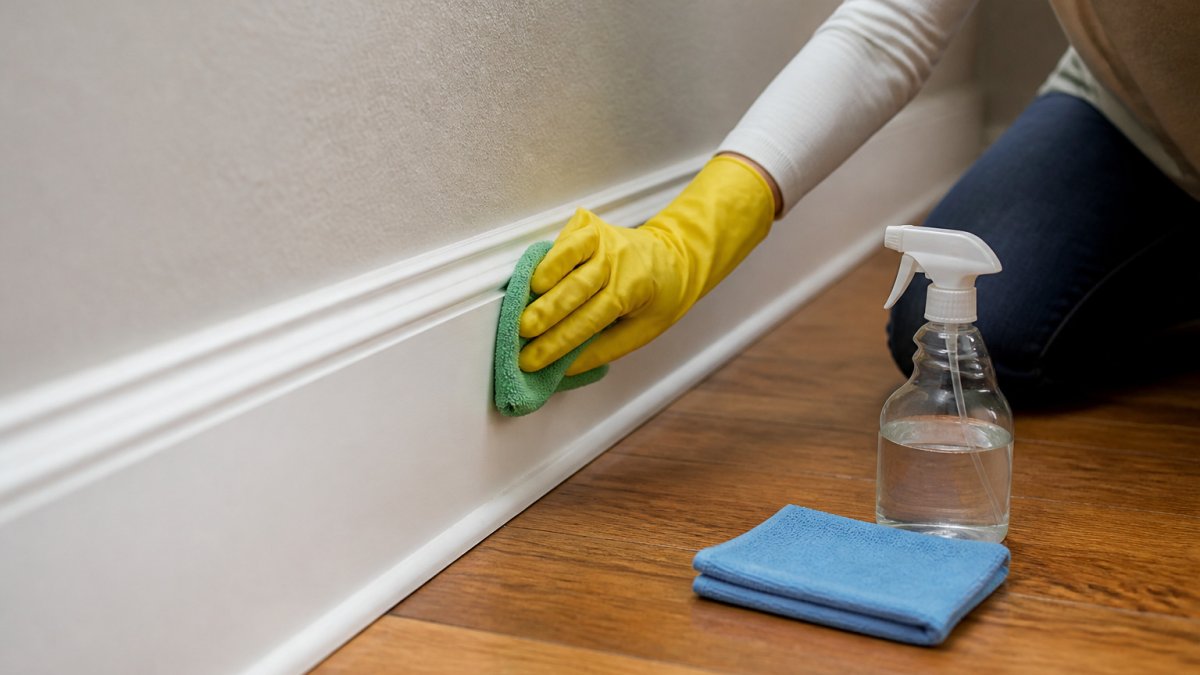
Baseboard cleaning (pet hair collects here)
Air vent cleaning (dander settles in vents)
Pet bedding and washable items included in service
Enzymatic treatment for any known accident areas
Odor neutralization (not just air freshening)
Litter box area deep cleaning and sanitization
Food and water bowl area sanitization
Pet-safe products used throughout (no toxic chemicals)
Attention to pet anxiety during cleaning (secure pets if needed)
Follow-up protocol for any pet-related issues discovered during cleaning
Frequently Asked Questions
What should I look for in a pet-friendly cleaning service?
Look for cleaners who use pet-safe cleaning products, have experience with pet-related messes, and ask about your pets' behavior before arrival. Ask if they offer customized cleaning plans for pet-heavy areas like bedding and furniture. Request references from other pet owners and verify they understand allergen reduction and odor elimination. Services that offer same-day estimates and personalized booking processes typically take time to understand your specific pet needs.
Are professional cleaning products safe for dogs and cats?
Many professional cleaners use non-toxic, all-natural products specifically formulated to be safe around pets. However, not all professional products are pet-safe, some contain chemicals that can irritate sensitive paws or respiratory systems. Ask your cleaning service for a product list before they arrive, especially if your pets have allergies or sensitivities. Look for services that prioritize all-natural supplies and can provide documentation of ingredient safety.
How often should homes with pets be professionally cleaned?
Most pet owners benefit from recurring professional cleaning every 2-4 weeks, depending on the number and type of pets. Homes with heavy shedding or multiple pets may need bi-weekly service to manage hair, dander, and odor buildup. One-time deep cleaning is useful for addressing stubborn stains and bacteria elimination, but recurring service prevents allergen accumulation and maintains consistent home hygiene. Your cleaner can recommend a schedule based on your specific situation.
Should I be home when cleaners arrive with my pets?
It depends on your pets' temperament. Some pets do better with their owner present to keep them calm, while others may be less anxious with just the cleaner. Discuss this with your service provider, experienced pet cleaners often have strategies for managing anxious animals. Consider confining pets to a safe room if you're not home, and always provide clear instructions about your pets' behavior, medications, or special needs. Professional cleaners with pet experience know how to work safely around animals.
CALL OR EMAIL FOR A FREE ESTIMATE 1-612-203-1686

Comments