


Biweekly vs Weekly House Cleaning Cost: Which Saves More?

Table of Contents
Biweekly vs Weekly House Cleaning Cost: The Quick Comparison
Per-Visit Rate vs Monthly Spend: Two Different Numbers
Average House Cleaning Rates per Hour and per Visit in 2026
What Is Included in a Standard House Cleaning (and What Costs Extra)
First-Visit and Deep-Clean Surcharges to Expect
Benefits of Weekly vs Biweekly Cleaning: Time, Upkeep, and Consistency
What Actually Changes Between a Weekly and Biweekly Visit
What Drives Your House Cleaning Cost: Size, Occupants, Pets, and Upkeep
How to Estimate Your Own Weekly vs Biweekly Cost
The Five Assumptions Behind Every Price Range
A Like-for-Like Comparison: Per-Visit Rate vs Monthly and Annual Spend
Do Not Forget the First-Visit Surcharge
Your Personalized Estimate Worksheet
How to Choose the Right Cleaning Frequency for Your Home
Household-Specific Decision Factors
What Changes Between a Weekly and Biweekly Visit
The DIY Upkeep Trade-Off
A Simple Decision Path
Conclusion: Match Frequency to Upkeep, Not Just Price
Frequently Asked Questions
Last Updated: October 7, 2026
Biweekly vs Weekly House Cleaning Cost: The Quick Comparison
The short answer: biweekly cleaning usually costs less per month, while weekly cleaning costs more but keeps your home consistently cleaner with less buildup between visits.
At Janicemariecleaningservices, we have provided residential cleaning for over two decades, and we hear the same question constantly: is weekly worth the extra spend, or does biweekly deliver enough value? This guide breaks down the real math, the surcharges people forget, and a framework for estimating your own house cleaning cost.
Per-Visit Rate vs Monthly Spend: Two Different Numbers
A per-visit rate is what you pay for one cleaning appointment. Your monthly spend is that rate multiplied by how often a cleaner visits. A lower per-visit rate does not automatically mean a lower monthly bill, because frequency drives the total.
Here is the part most homeowners miss: recurring service usually comes with a discount off the one-time rate. According to Angi's house cleaning cost data, recurring cleaning visits often cost less per visit than a single deep clean because the cleaner spreads setup and travel across a predictable schedule.
So when you compare biweekly vs weekly house cleaning cost, compare like for like: line up monthly and annual totals, not the sticker price on a single visit.
Average House Cleaning Rates per Hour and per Visit in 2026
House cleaning rates in 2026 are typically quoted either by the hour or as a flat per-visit price.
Most companies price recurring maintenance cleaning lower than a first-time deep clean. For a transparent look at how frequency changes the numbers, CleanEstimator's frequency cost comparisons breaks down weekly, biweekly, and monthly schedules side by side.
Pricing Method | How It Works | Best For |
Hourly | You pay per hour of labor | Homes with variable needs |
Flat per-visit | One set price per cleaning | Predictable recurring budgets |
Square-foot based | Price scales with home size | Larger homes, quick quotes |
Because rates vary by region, home size, and service scope, request a customized estimate rather than relying on a national average. Janicemariecleaningservices offers same-day estimates so you can see real numbers for your home.
What Is Included in a Standard House Cleaning (and What Costs Extra)
A standard house cleaning covers routine maintenance: dusting surfaces, vacuuming carpets and rugs, mopping hard floors, cleaning bathrooms, wiping kitchen counters, and emptying trash. It maintains a home already in reasonable condition, rather than restoring a neglected one.
What usually costs extra:
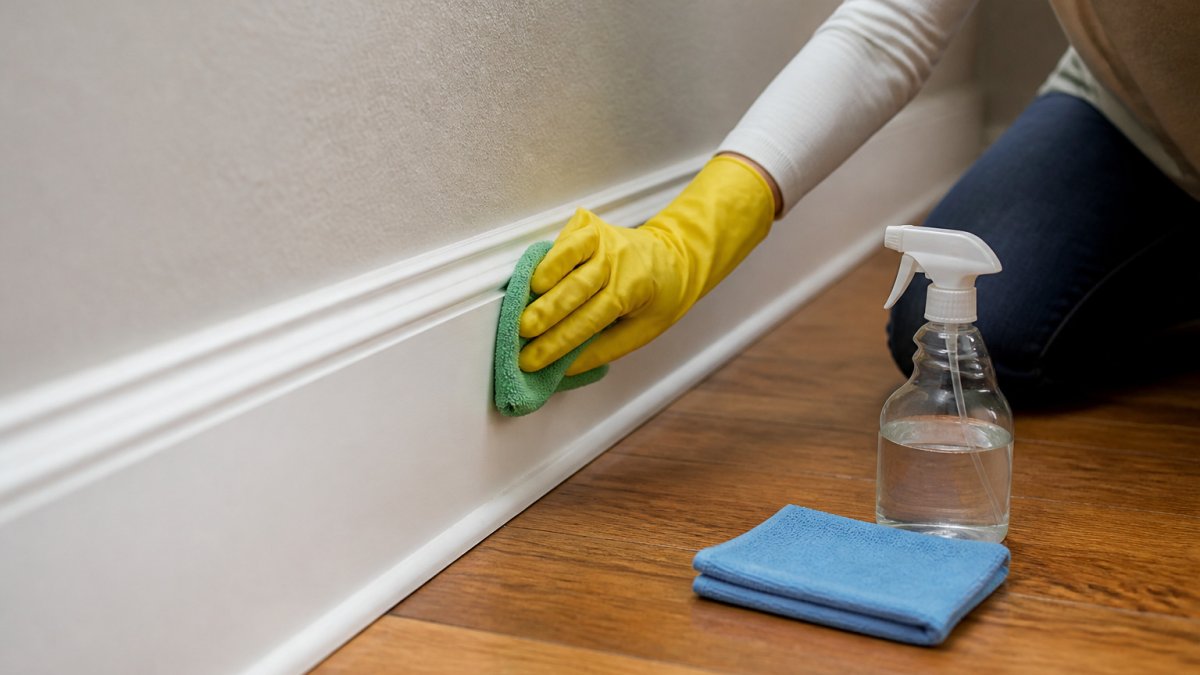
Deep cleaning of baseboards, vents, and inside appliances
Inside-oven and inside-fridge cleaning
Interior window cleaning
First-Visit and Deep-Clean Surcharges to Expect
Your first visit almost always costs more than recurring visits, because it often includes a deeper initial clean to bring the home to a maintainable baseline. After that, recurring visits stay lighter and faster.
Watch Out Skipping the initial deep clean to save money often backfires. If the first visit is priced as a standard clean, the cleaner cannot reach the buildup in one session, and your recurring visits stay behind instead of catching up.
Ask any company to separate the first-visit price from the recurring price in writing. That prevents surprise charges and makes your biweekly vs weekly house cleaning cost comparison accurate.
Benefits of Weekly vs Biweekly Cleaning: Time, Upkeep, and Consistency
The benefits of weekly vs biweekly cleaning come down to three things: time savings, consistency, and how much dirt accumulates between visits.
Weekly cleaning suits households with pets, young children, allergies, or heavy foot traffic: less dust, fewer allergens, and less time on quick tidy-ups yourself. Biweekly suits smaller, lower-traffic homes where budget matters more than a pristine space.
What Actually Changes Between a Weekly and Biweekly Visit
The tasks stay largely the same; what changes is intensity and margin for error. A weekly visit handles a light layer of dust and a quick refresh, while a biweekly visit faces two weeks of buildup, so high-traffic areas and bathrooms need more scrubbing time.
That difference matters for pricing. If you want a deeper look at how upkeep needs shift with frequency, Tidy's recurring service guidance explains how schedules affect both cost and results.
What Drives Your House Cleaning Cost: Size, Occupants, Pets, and Upkeep
Your home's size, how many people live in it, whether you have pets, and your general upkeep drive most of your house cleaning cost. Square footage sets the baseline: more rooms, bedrooms, and bathrooms mean more labor and time per visit.

Dirt buildup and high-traffic areas also raise the price. A home with three kids, two dogs, and a busy kitchen needs more cleaning than a two-person household with the same square footage.
Pro Tip Before requesting a quote, note how many bedrooms, bathrooms, and pets you have, and how often you currently tidy up. Giving a cleaner accurate details upfront produces a more precise estimate and fewer adjustments later.
How to Estimate Your Own Weekly vs Biweekly Cost
Most cost guides give you a national average and stop there. That average rarely matches your home. The better approach is to build your own estimate from a few transparent assumptions, then compare weekly and biweekly on the same footing. Below is the framework we use when quoting a home, plus a worksheet you can fill in before you call anyone.
The Five Assumptions Behind Every Price Range
When you see a quoted range for house cleaning, it rests on five variables. Ask which ones a company assumes, because changing any one moves the number:
Geography and local labor rates. A company in a high-cost metro pays more per hour and charges more per visit than one in a smaller market. National averages blend these together, so they can be off by a wide margin for your address.
Home size and layout. Square footage sets the baseline, but layout matters too. A 2,000-square-foot home with four small bedrooms and three bathrooms takes longer than an open-plan home of the same size with one bathroom.
Number of cleaners on site. A two-person crew finishes faster but bills more labor hours per visit than a solo cleaner; total labor is similar, but visit duration and per-visit price differ.
Visit duration and scope. A standard maintenance visit covers dusting, vacuuming, mopping, bathrooms, and kitchens. Add inside-oven, inside-fridge, baseboards, or interior windows and the duration climbs.
Frequency and recurring discount. Recurring service usually carries a lower per-visit rate than a one-time clean, and weekly schedules often earn the deepest discount because the work is predictable.
Write down your best guess for each of the five. That set of assumptions is what makes your estimate yours instead of a generic average.
A Like-for-Like Comparison: Per-Visit Rate vs Monthly and Annual Spend
The trap in comparing weekly and biweekly is confusing the per-visit rate with the total you actually pay.
Frequency | Visits per Year | Per-Visit Rate (example) | Annual Spend |
Weekly | 52 | Lower recurring rate | Rate × 52 |
Biweekly | 26 | Slightly higher recurring rate | Rate × 26 |
Monthly | 12 | Higher recurring rate | Rate × 12 |
Plug your own recurring per-visit rate into the "Rate" column. The point is not the exact dollar figure; it is that weekly buys twice as many visits as biweekly, so the annual gap is roughly the cost of the extra 26 visits.
Do Not Forget the First-Visit Surcharge
Your first appointment is usually priced higher than recurring visits because the cleaner is bringing the home to a maintainable baseline. That initial deep clean can cost noticeably more than a standard visit, and it applies once, not every time. When comparing first-year totals, add the surcharge to both the weekly and biweekly columns so the comparison stays fair; skipping it makes biweekly look cheaper than it will be in year one.
Your Personalized Estimate Worksheet
Fill this in before you request quotes. It takes about five minutes and turns a vague range into a number you can budget against.
Square footage: ______
Bedrooms: ______ Bathrooms: ______
Number of occupants: ______ Pets: ______
That difference is the real cost of choosing weekly over biweekly for your home. Once you see it, the decision becomes about whether the extra visits are worth that number to you.
Pro Tip Ask any company to quote the recurring rate and the first-visit rate separately, in writing. A single blended number hides the surcharge and makes the weekly-versus-biweekly comparison inaccurate.
Because we do not publish fixed rates, the exact figures depend on your home. Janicemariecleaningservices provides same-day estimates so you can plug real numbers into this worksheet and see your own weekly versus biweekly totals.
How to Choose the Right Cleaning Frequency for Your Home
Frequency is not a price decision alone; it is a decision about how much upkeep you want to hand off and how much you will do yourself between visits. The right answer depends on your household, not a generic rule. Below are the factors that shift the choice.
Household-Specific Decision Factors
Run through these honestly. Each one pushes you toward weekly or biweekly:
Pets. Shedding dogs and cats deposit hair and dander daily. Weekly visits keep allergens and tumbleweeds under control; biweekly often means vacuuming in between.
Children. Young kids generate crumbs, spills, and toy clutter. A household with toddlers usually needs weekly attention to stay ahead.
Allergies or asthma. If anyone in the home reacts to dust or dander, weekly cleaning reduces the buildup window and the allergen load.
What Changes Between a Weekly and Biweekly Visit
The task list is largely the same. What changes is intensity and margin for error:
Weekly visits handle a light layer of dust and a quick refresh. Bathrooms and kitchens stay close to spotless because buildup never sets in. Visit duration is usually shorter.
Biweekly visits face two weeks of accumulation. High-traffic areas, bathrooms, and kitchens need more scrubbing time, so per-visit duration is often slightly longer even though you buy fewer visits.
Task rotation. On a biweekly schedule, some tasks a weekly cleaner handles every visit, like detailed dusting of less-used rooms, may rotate or get deferred. Ask what is included at each frequency so you are not surprised.
The DIY Upkeep Trade-Off
Choosing biweekly is not just a lower bill; it transfers some work back to you. Between biweekly visits you will likely need to vacuum high-traffic areas, wipe kitchen counters, and tidy clutter so the next cleaning stays efficient. If you would rather not, weekly service is the better fit even at the higher annual cost, the cheapest schedule that leaves you cleaning between visits is not saving you time.
A Simple Decision Path
Heavy daily use, pets, kids, or allergies: choose weekly.
Smaller household, lower traffic, tighter budget: choose biweekly.
Unsure: start biweekly and watch whether buildup between visits bothers you. You can always move up to weekly later.
Key Takeaway Match frequency to your level of upkeep, not just the lowest price. Weigh pets, children, allergies, entertaining, and how much between-visit tidying you are willing to do before you decide.
If you are unsure, start biweekly and see whether buildup between visits bothers you. You can always move up to weekly later. Janicemariecleaningservices uses primarily all-natural supplies and a personalized booking process, so switching frequencies stays simple.
Conclusion: Match Frequency to Upkeep, Not Just Price
The right frequency depends on your home, not a generic rule. Weekly service delivers consistency and time savings at a higher monthly total, while biweekly trims your budget and still keeps a lower-traffic home in good shape.
When you are ready for a real number instead of an estimate, Janicemariecleaningservices can help. We offer same-day estimates, over two decades of experience, primarily all-natural supplies, and flexible scheduling built around your household.
Frequently Asked Questions
Is it cheaper to have a house cleaned weekly or biweekly?
Biweekly cleaning usually costs less per month because you pay for two visits instead of four. Weekly service often comes with a larger recurring discount per visit, so the gap in monthly spend is smaller than people expect. Run the math on your own home: multiply the quoted per-visit rate by the number of visits per month, then compare totals. Many households find biweekly hits the cost-and-cleanliness balance they want.
What is the average price difference between weekly and biweekly cleaning?
The difference depends on your home size, location, and the provider's recurring discount structure. Industry guidance suggests recurring clients typically see 10-20% off standard rates, with weekly schedules often landing at the higher end of that range. That means the per-visit price for weekly service can be lower than biweekly, even though the monthly total is higher because you receive twice as many visits.
Does a biweekly cleaning take longer than a weekly cleaning?
Yes, usually. When two weeks pass between visits, dust, pet hair, and kitchen buildup accumulate, so the cleaner spends more time on high-traffic areas, bathrooms, and floors. Weekly visits stay closer to maintenance mode because there is less dirt to remove each time. That extra time per biweekly visit is one reason the per-visit rate is often higher than a weekly rate for the same home.
Are there discounts for scheduling weekly cleaning services?
Most cleaning companies build recurring discounts into their pricing, and weekly clients usually get the deepest one because the schedule is predictable and the home stays easier to maintain. Biweekly clients typically receive a smaller discount. Ask any provider to show you the weekly rate, the biweekly rate, and the one-time rate side by side so you can see exactly what the recurring commitment saves you.
How do I decide the best cleaning frequency for my home?
Start with three factors: how many people and pets live there, how much time you spend at home, and how much visible buildup bothers you. Households with kids, dogs, or allergies often prefer weekly service to keep dust and dander down. Smaller households or people who tidy daily can usually stay comfortable on a biweekly schedule. If you are unsure, try biweekly first and upgrade if the home feels overdue between visits.
CALL OR EMAIL FOR A FREE ESTIMATE 1-612-203-1686

Comments