


Benefits of Recurring Residential Cleaning

Table of Contents
Last Updated: October 4, 2026
Why a Recurring Cleaning Schedule Beats Sporadic Cleaning
A recurring residential cleaning schedule keeps your home consistently maintained instead of letting mess and dust build up between occasional scrubs. At Janicemariecleaningservices, we have watched this pattern play out in homes across Minneapolis, St.
Sporadic cleaning feels productive in the moment. You spend a Saturday afternoon scrubbing, the house shines for a few days, and then life happens.
Recurring service changes the math. Instead of one exhausting marathon, you get steady upkeep that never lets grime gain a foothold.
That consistency is the whole point. A home that gets touched every week or two never has the chance to spiral, which is why recurring plans tend to deliver better results than one-off appointments.
Deep Cleaning vs Recurring Cleaning: What's the Difference?
Deep cleaning is a thorough, top-to-bottom reset that targets buildup in areas routine visits skip, while recurring cleaning is the regular maintenance that keeps a home from ever needing that reset in the first place. The two serve different purposes, and most homes benefit from both at different times.
Think of it like dental care. A deep clean is the intensive appointment after you have let things slide. Recurring cleaning is brushing twice a day. You would not skip brushing for six months and then expect one cleaning to fix everything.
Deep cleaning typically covers:
Inside the oven, refrigerator, and cabinets
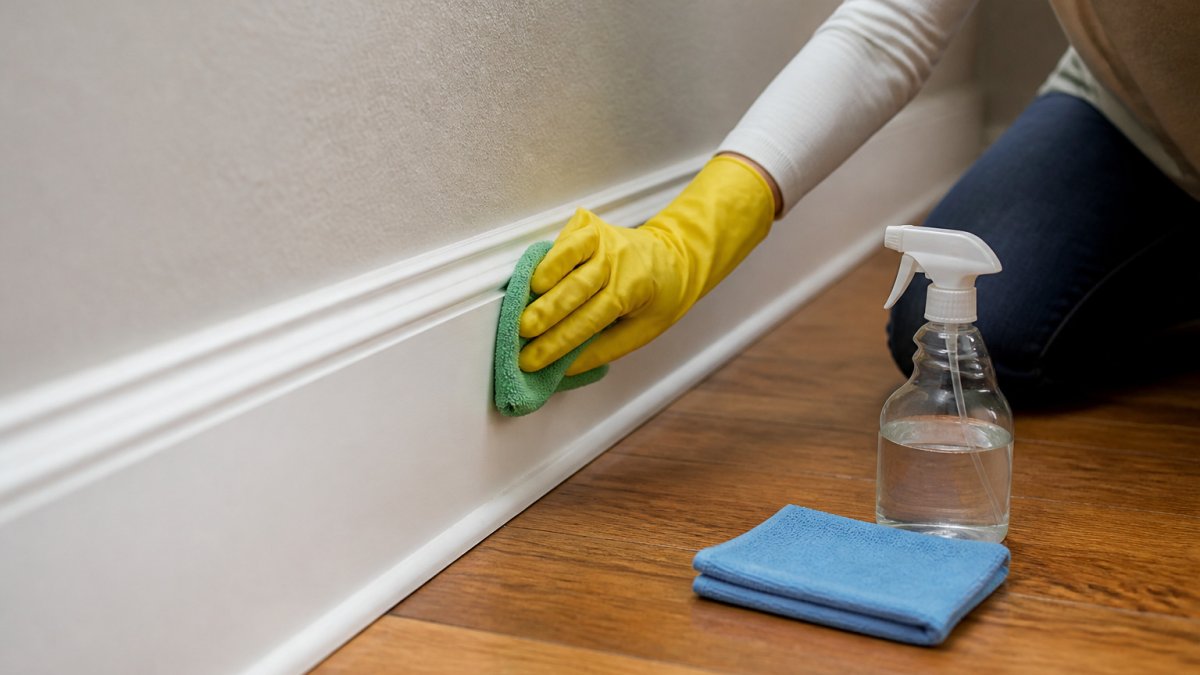
Baseboards, door frames, and vents
Behind and under heavy furniture
Grout, tile, and hard-water buildup
Light fixtures and ceiling fans
Recurring cleaning focuses on:
Floors, counters, and high-touch surfaces
Bathrooms and kitchens
Dusting and vacuuming
Trash removal and tidying
Most homeowners start with a deep clean and then move to a recurring schedule to hold the results. Without that maintenance phase, the deep clean fades fast.
What Is Included in a Recurring Cleaning Service?
A recurring residential cleaning service covers the routine tasks that keep a home liveable, with add-ons available for anything extra. The exact checklist varies by provider, but the core is fairly consistent across the industry.
Standard Tasks in Every Visit
Vacuuming and mopping all floors
Dusting surfaces, shelves, and blinds
Wiping kitchen counters and appliance exteriors
Scrubbing sinks, toilets, and showers
Cleaning mirrors and glass
Emptying trash and replacing liners
Tidying and straightening rooms
Add-On Services and Custom Checklists
Beyond the basics, many services offer extras like inside-oven cleaning, refrigerator interiors, laundry, and interior window washing. At Janicemariecleaningservices, we build a personalized checklist during booking so nothing important gets missed, and we use primarily all-natural supplies for households with kids and pets.
Pro Tip Ask for your cleaning checklist in writing before the first visit.
Health, Air Quality, and Allergen Reduction from Routine Cleaning
Routine cleaning directly reduces indoor allergens, dust mites, and airborne irritants by removing them before they accumulate. The American Lung Association guidance on indoor air quality notes that indoor air can carry more pollutants than outdoor air, and regular surface and floor cleaning is one of the simplest ways to cut that load.
Dust buildup is the quiet culprit. It collects on surfaces, then gets stirred into the air every time someone walks through a room or sits on a couch. For households with allergies or asthma, that constant cycle keeps irritants circulating.
Consistent cleaning interrupts the cycle. When floors are mopped and surfaces wiped on a regular schedule, dust and dander never get the chance to pile up and go airborne. The environment stays cleaner between visits.
Germ control matters too. High-touch surfaces like doorknobs, light switches, and countertops are where pathogens linger longest. Regular sanitization keeps those spots from becoming a household weak point.
The Cost-Benefit Case: Recurring Cleaning vs One-Time Deep Cleans
Recurring cleaning usually costs less per visit than a one-time deep clean, and it prevents the buildup that makes expensive deep cleans necessary. That is the financial argument most homeowners miss, and it is worth walking through the actual mechanics rather than just asserting it.
Why the Per-Visit Price Is Not the Real Price
A one-time deep clean is priced for labor intensity. Crews spend hours on baseboards, inside appliances, grout, vents, and behind furniture. A recurring visit is priced for maintenance: the same rooms, but without the heavy buildup, so the work is faster and the rate is lower.
The trap is comparing the two line items side by side. A deep clean looks like a bigger single expense, but it is also a one-time event. A recurring plan looks cheaper per visit, but it repeats. The honest comparison is cost over a full year, not cost per appointment.
Here is how the two paths typically diverge:
Factor | Recurring Cleaning | One-Time Deep Clean |
Cost per visit | Lower | Higher |
Frequency | Weekly to monthly | Once or twice a year |
Annual visits | 12 to 52 | 1 to 2 |
Effort between visits | Minimal | High |
Results | Consistent | Fades within weeks |
Furniture wear | Reduced | Accelerated by buildup |
Best for | Ongoing maintenance | Resetting a neglected home |
The Hidden Costs of Going Infrequent
When a home goes months between cleanings, several costs compound quietly:
Longer visits. The next cleaning takes more hours because grime has bonded to surfaces. More hours means a higher bill.
Specialty add-ons. Oven interiors, refrigerator coils, grout, and hard-water deposits often move from 'standard' to 'add-on' once buildup sets in.
Replacement cycles. Dust and grit act like sandpaper on hardwood and laminate. Upholstery fibers break down faster when soil is left in place. Replacing a floor or sofa costs far more than a year of maintenance visits.
Emergency deep cleans. Hosting, a move-out, or a health event can force a deep clean on short notice, usually at premium pricing.
No surprise deep-clean bills, no scramble before guests arrive.
The Environmental Angle Most Articles Skip
Recurring maintenance also changes what you clean with, not just how often. Infrequent cleaning requires heavy-duty degreasers, descalers, and abrasive scrubbing to break down months of buildup. Those products tend to be harsher, more heavily fragranced, and more aggressively packaged than the mild, everyday solutions that work on a home that is already maintained.
There is a materials angle too. When grime is managed continuously, surfaces and furnishings last longer, which means fewer replacements and less waste over the life of your home. Preventative maintenance on floors, grout, and upholstery stretches their usable life and keeps usable items out of the waste stream.
Recurring cleaning is not an extra expense on top of deep cleaning. It is what keeps you from needing deep cleans so often, and it lets you clean with gentler products along the way.
How Often Should You Hire a House Cleaner?
Most households do well with bi-weekly cleaning, though the right frequency depends on pets, kids, allergies, and how much time you spend at home. There is no single correct answer, but there is a decision framework that gets you close on the first try.
Start With the Signals, Not the Calendar
Before picking a frequency, count the factors that accelerate buildup in your home:
Pets. Shedding, dander, tracked-in dirt, and accidents all raise the cleaning load.
Children. Toys, crumbs, sticky surfaces, and bathroom traffic add up fast.
Allergy or asthma sufferers. Frequent dust and dander removal matters more than deep scrubbing.
Square footage. More rooms means more surface area per visit.
Occupancy. A home with two people who work from home accumulates less than a home with five people coming and going.
Outdoor access. Yards, decks, and pets that go in and out track in more debris.
Two or more of those signals usually points to weekly. One signal, or none, usually points to bi-weekly or monthly.
What Each Frequency Actually Feels Like
Weekly: Homes with pets, young children, allergy sufferers, or frequent guests. The home never gets ahead of you.
Bi-weekly: The most common choice for busy families and professionals. This is frequent enough to prevent buildup, spaced enough to keep the rate reasonable.
Monthly: Smaller households or homes that stay tidy between visits.
Quarterly: Rarely occupied homes or those needing only light upkeep. Best treated as a supplement to occasional deep cleans, not a standalone plan.
The Trade-Off Nobody Explains
Frequency is a trade-off between two costs: the per-visit rate and the per-visit duration. A weekly visit on a maintained home is short and cheap. A monthly visit on a home that has been left alone is long and expensive, and the gap widens the longer you wait.
That is why booking too infrequently often feels like the service is not working. If your home needs a deep clean every time a cleaner arrives, the frequency is too low.
A practical way to test your frequency: after a visit, note how many days the home still feels clean. If it slips within a week, move up a tier. If it holds comfortably past the next scheduled visit, you may be able to move down.
Buildup compounds, and the next visit takes longer and costs more than the one you skipped.
What to Expect from Your First Recurring Cleaning Visit
Your first recurring visit usually includes an initial walkthrough, a deeper baseline clean, and a conversation about your priorities. Most providers treat the first appointment as a reset so future visits can stay quick and consistent.

Here is what a typical first visit looks like:
Walkthrough and introductions. The team reviews your checklist and notes any problem areas.
Baseline deep clean. The first visit often takes longer to bring the home to a maintained standard.
Priority notes. You flag the spots that matter most, like baseboards or inside the fridge.
Schedule confirmation. You lock in your recurring frequency and preferred day.
Feedback loop. After the visit, you share what worked and what to adjust.
At Janicemariecleaningservices, we offer same-day estimates and a personalized booking process, so you know what to expect before anyone arrives. Our team has spent over two decades refining this routine, and we back it with fair wages that keep our staff consistent and dependable.
Conclusion: Choosing the Right Recurring Residential Cleaning Plan
Choosing a recurring plan comes down to matching frequency and checklist to how your household actually lives. The U.S. Environmental Protection Agency's indoor air quality resources reinforce what we see in practice: consistent home maintenance supports healthier living spaces. Get the schedule right, and the benefits of recurring residential cleaning compound week after week.
If you are tired of cleaning that never quite keeps up, Janicemariecleaningservices can help. We bring over two decades of experience, primarily all-natural supplies, flexible scheduling, and same-day estimates to every home we serve. Call or email for a free estimate at 1-612-203-1686 and let us build a plan that keeps your home consistently clean.
Frequently Asked Questions
What are the primary benefits of recurring residential cleaning?
Recurring residential cleaning delivers consistent results that one-time cleans can't match. Regular visits keep dust buildup and allergens under control, improve indoor air quality, and protect furnishing lifespan by preventing grime from settling into surfaces. Homeowners also report stress relief and better time management because they aren't spending weekends on chores. A recurring service also makes it easier to maintain hygiene standards between visits, so your home stays guest-ready instead of cycling through extreme clutter and deep-clean catch-up.
How does a recurring cleaning schedule improve indoor air quality?
Dust, pet dander, and dust mites accumulate on floors, upholstery, and vents between cleanings. A recurring schedule removes these irritants before they build up, which reduces the particles circulating through your home. Frequent dusting, vacuuming, and surface wiping also cut down on pathogens that settle on high-touch areas. For households with pets, allergies, or young children, consistent allergen reduction is one of the most tangible benefits of recurring residential cleaning.
Is it more cost-effective to book recurring cleaning or one-time services?
Recurring plans typically cost less per visit than one-time deep cleans because the home stays maintained and each session requires less intensive work. Over a year, booking multiple emergency deep cleans can carry higher rates for the extra labor. Pricing depends on home size, frequency, and condition, so check the provider's pricing page or request a quote for exact numbers.
What is the difference between deep cleaning and recurring maintenance cleaning?
Deep cleaning targets buildup in overlooked areas like baseboards, inside appliances, grout, and behind furniture. It's a thorough reset that can take significantly longer than a standard visit. Recurring maintenance cleaning keeps a home consistently clean through regular visits, focusing on high-traffic surfaces, floors, bathrooms, and kitchens. Most homeowners start with a deep clean, then move to a recurring schedule to maintain those results without letting buildup return.

Comments